
Water India Stall Guide: Planning a Water Technology Stall in New Delhi
Water India, 23 to 25 Mar 2027 at Bharat Mandapam: stall design for water treatment, pumps and pipes, working displays, timeline and exhibitor checklist.
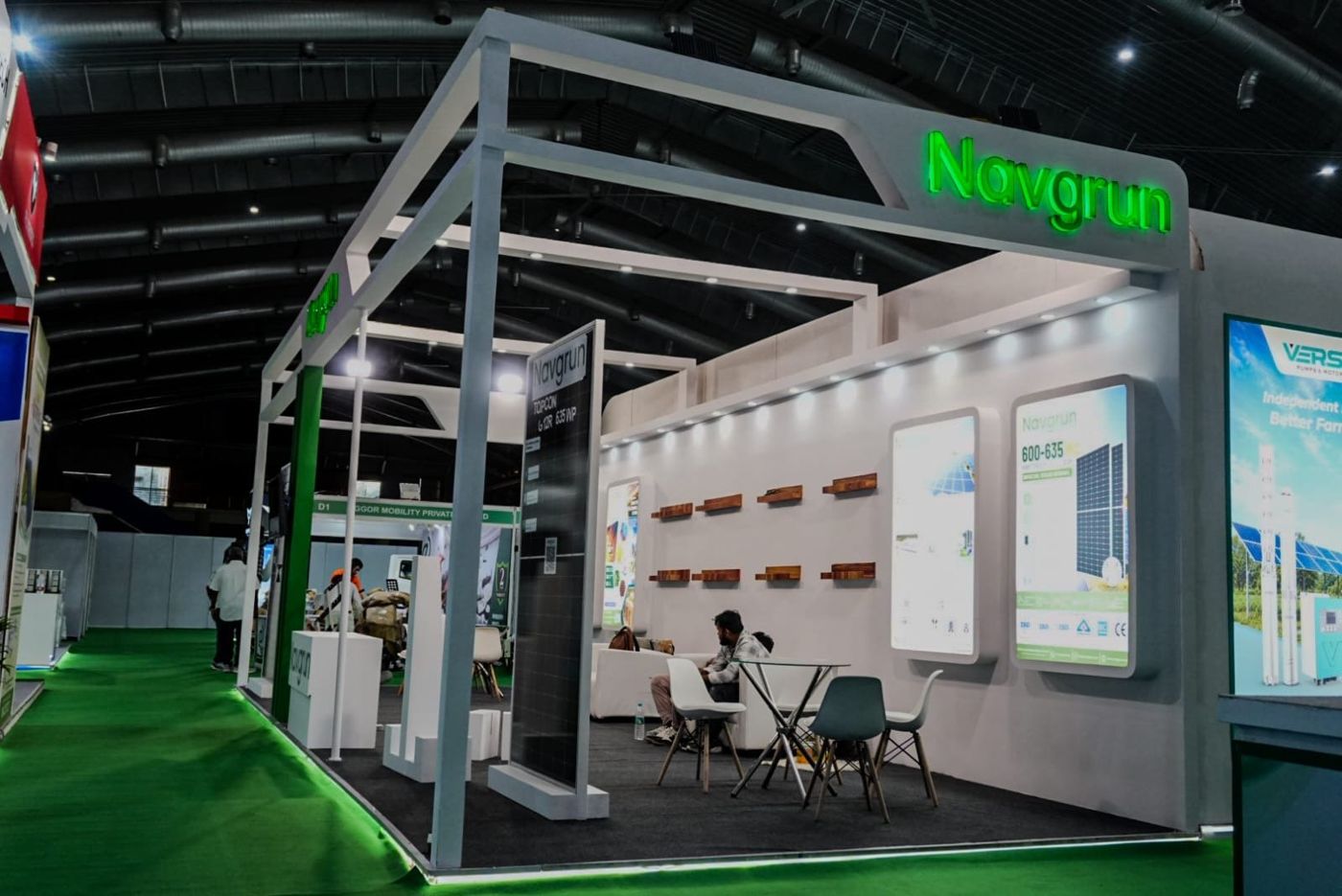
Water India is listed for 23 to 25 Mar 2027 at Bharat Mandapam (Pragati Maidan), New Delhi, as per venue and organiser calendars; confirm with the organiser. It is a show for the water sector: treatment and purification, pumps and valves, pipes and fittings, metering, desalination, wastewater and the services that support them.
Water is one of India's most pressing infrastructure needs, and the buyers at a show like this include public utilities, industries and developers with real projects to deliver. They want solutions that work, that last and that can be maintained. Your stall should make the technology clear and give buyers confidence in your delivery.
Who visits a water show
- Municipal and state utility engineers and officials.
- Industrial plant heads looking for water and effluent treatment.
- EPC contractors and consultants designing water projects.
- Real estate developers needing treatment and recycling systems.
- Dealers and distributors of pumps, filters and fittings.
Many of these buyers work on tenders and long projects. They want specifications, references and evidence that your product has worked at scale.
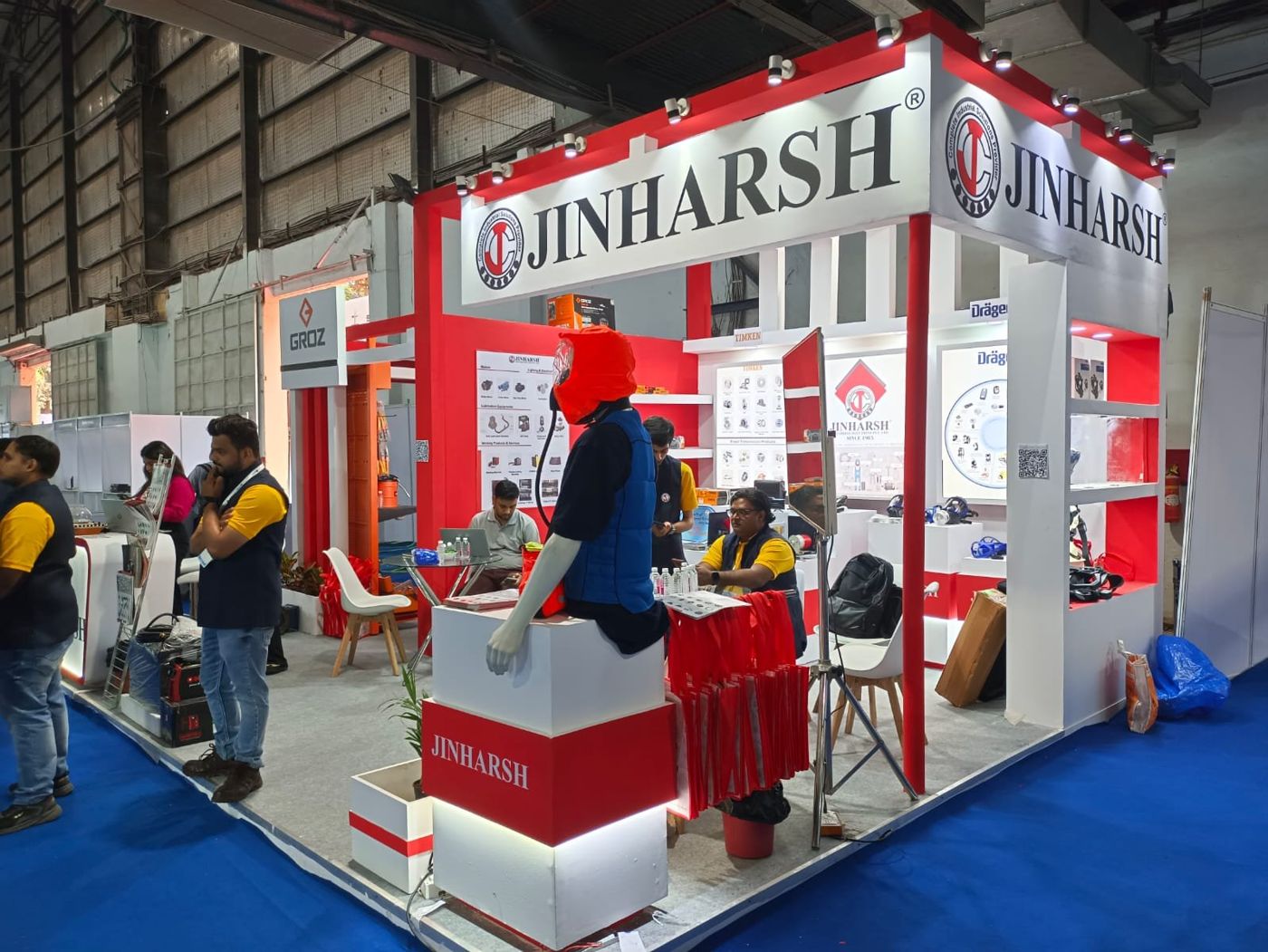
What your stall should showcase
Working displays
Water technology is easier to understand when it moves. A small working treatment unit, a pump running in a tank, or a clear before-and-after water sample display can tell the story in seconds. Clear acrylic tanks and pipes let visitors see water flow.
Cut sections and components
Pumps, valves, membranes and filters are more convincing when visitors can see inside them. Cut sections on plinths, with good lighting and labels, work well for technical buyers.
Project references
Show installed projects with photographs, capacities and locations, if you have permission to share them. For utility and EPC buyers, references are often the deciding factor.
Planning a stall with water on it
If your display uses water, plan it carefully. Water and electricity on the same stall need extra care.
- Check the exhibitor manual and ask the organiser whether water connections and drainage are allowed, and how they must be ordered.
- If not, design a closed loop with a tank and recirculating pump.
- Use drip trays, sealed joints and raised platforms to protect the floor.
- Keep electrical connections well above and away from water lines.
- Plan how tanks are filled before opening and emptied after the show.
Layout ideas
- **Process layout:** show the water journey from intake to treatment to reuse, with each stage as a display.
- **Product showroom:** pumps, valves and pipes on plinths around the stall, with a meeting area at the back.
- **Solutions layout:** zones for municipal, industrial and residential solutions, so visitors go straight to what they need.
Use blues, whites and clean greens with plenty of light. A clear headline about the problem you solve, such as wastewater recycling for industry, helps visitors stop.
Graphics for engineers and officials
Keep text factual: capacities, technologies, standards and references. Diagrams of your process work better than long paragraphs. Bilingual content in Hindi and English can help with some public sector visitors.
Space for tender and project talks
Utility and EPC conversations are detailed and often involve several people. Plan a seated meeting area with a table large enough for drawings, away from running pumps. Keep a small screen there for project presentations.
Timeline working back from 23 March
For Indian shows we ask for the brief 6 to 8 weeks before. For Water India that is between 26 Jan and 9 Feb 2027.
- Late January: brief, plot details, product list and any working display needs.
- Early February: 3D design, revisions and organiser submission, including any water services.
- February to early March: fabrication, tanks, finishing and graphics.
- Mid March: full assembly and check against the approved design, including leak testing of any water display.
- Five working days before possession: final artwork files with us.
- Build-up: installation by our own crew, then filling and testing of displays.
Exhibitor checklist
- Working displays planned, with water and power needs.
- Products and cut sections ready, with weights.
- Project references and permission to show them.
- Technical brochures and datasheets.
- Engineers on the stall for detailed questions.
- Logo and artwork files.
How we build your stall
We design in 3D and build in our own factory with our own crew. We do not subcontract the build. Every stall for an Indian show is assembled once and checked against the approved design before it leaves. Platforms, tanks and drip trays are planned in the design, not improvised on site.
Questions exhibitors ask
Can you build a stall with a working water display?
Yes. We design platforms and enclosures around your equipment and plan for leaks and drainage. Check the organiser's rules on water first.
Can the stall be reused for other infrastructure shows?
Yes. Stalls can be stored after the show and reused, with graphics updated.
How do we start?
Send your plot and product list through our free stall design form. The first concept is free, and we reply within one working day.