
Smart Cities India Expo Stall Guide: Urban Tech at Bharat Mandapam
Smart Cities India Expo, 23 to 25 Mar 2027 at Bharat Mandapam: stall planning for urban technology exhibitors meeting city officials, planners and partners.
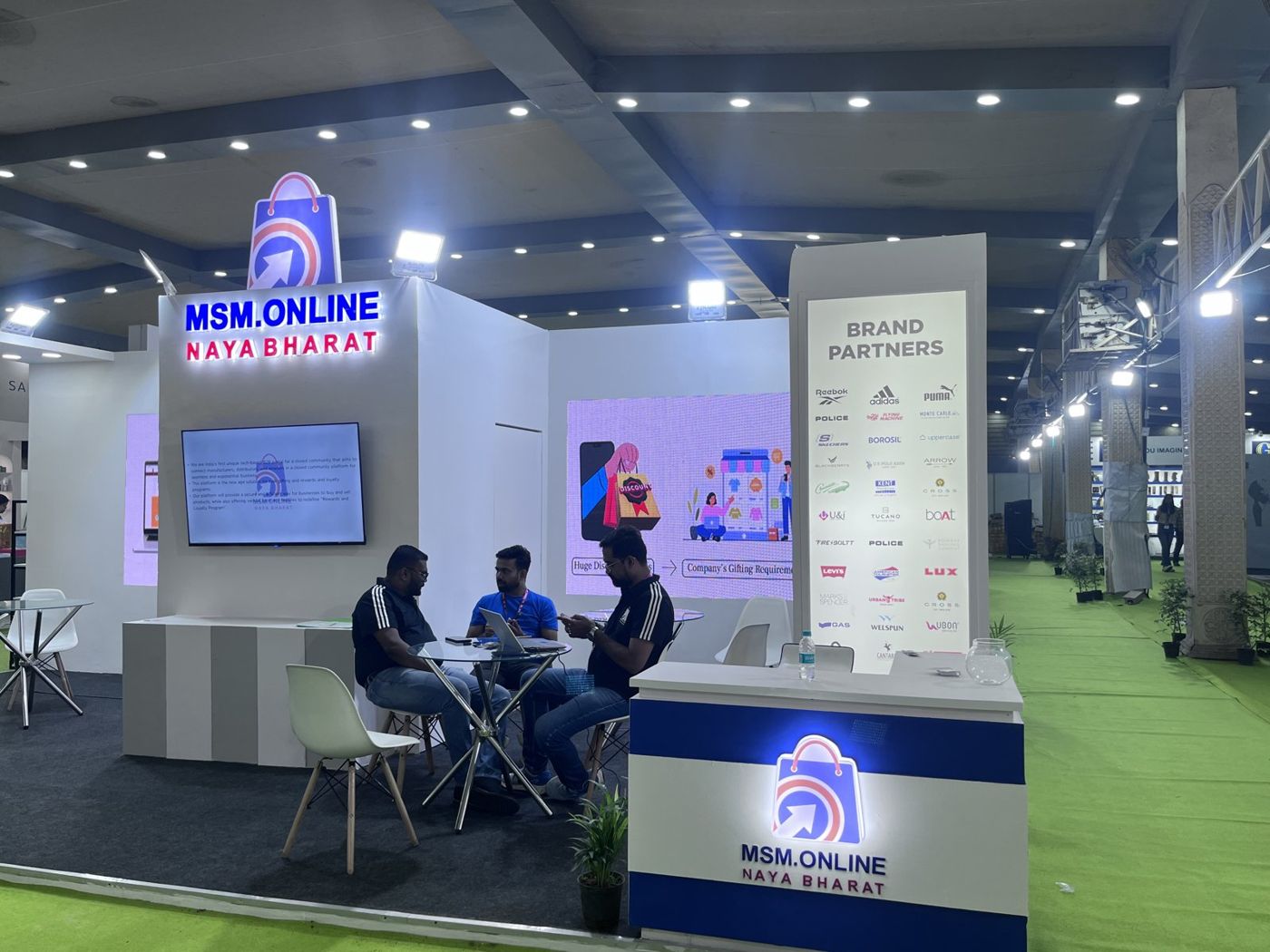
Smart Cities India Expo is listed for **23 to 25 Mar 2027** at Bharat Mandapam (Pragati Maidan), New Delhi, as shown in venue and organiser calendars; confirm with the organiser. It sits in the technology, IT and telecom sector, with a focus on the systems that help cities run better.
Urban technology is a broad field. Traffic management, surveillance, water and energy metering, waste management, e-governance, connectivity and data platforms all compete for attention. The common problem is that much of this is invisible: software, sensors and networks. This guide covers how to make it visible on a stall.
Who the show is likely to draw
- Municipal and city agency officials responsible for services and projects.
- Urban planners, consultants and project management teams.
- System integrators looking for products and partners.
- Telecom, utility and infrastructure companies.
- Start-ups and investors in the urban technology space.
Public-sector visitors look for proven deployments, compliance with procurement requirements and long-term support. Integrators want products that work with their systems. Both groups need to understand quickly what problem you solve.
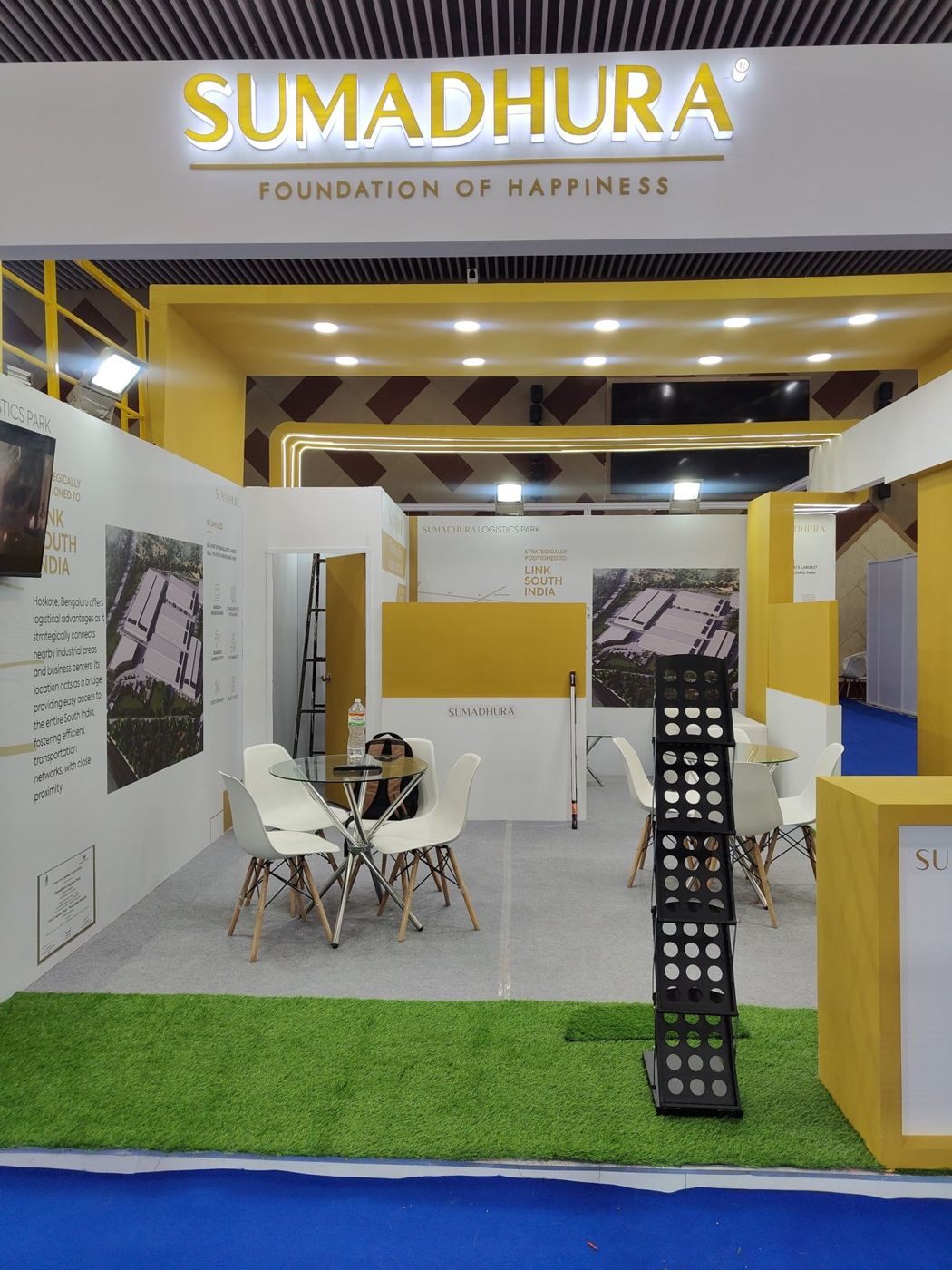
Making invisible technology visible
- **A city model**: a tabletop model or map with lit points that show where your sensors or systems sit and what they control.
- **Live dashboard**: a large screen with a command-centre style view, fed by demo data or real hardware on the stall.
- **Hardware on display**: sensors, meters, cameras or kiosks mounted as they would be in the field.
- **Use-case panels**: short problem-and-solution stories, one per panel, in plain language.
- **Deployment map**: cities or projects where your systems run, if you are allowed to show them.
Layout for a technology stall
Place the dashboard and city model at the front where they can be seen from the aisle. Mount hardware on a feature wall nearby. Keep a meeting space at the back for officials and integrators who want detail. On an island stall, the command-centre screen can form the centre, with demos on each side.
Network and power
Demos need reliable connectivity. Do not depend only on hall Wi-Fi. Order a wired connection if the organiser offers one and keep a mobile backup. Count every screen, server and device, then order power with a margin. Check the exhibitor manual for rules on height, rigging large screens and running equipment.
Speaking to public-sector buyers
Officials often have limited time and many stalls to see. Give them a one-page summary: what you do, where it is deployed, and how it fits public procurement. Keep staff who understand tendering and implementation on the stall, not only product specialists. A calm, professional stall with clear information tends to suit this audience better than flashy effects.
Hosting presentations on the stall
Short presentations draw people in. If you plan scheduled talks or demos, build a small presentation area with a screen and a few seats, and post the timings at the front of the stall. Keep each session short, around ten minutes, and end with a clear invitation to talk further at the meeting table.
If your stall is shared with partners, such as an integrator and a hardware maker, show how the pieces fit together in one story rather than as separate booths under one roof.
Timeline working back from 23 March 2027
We ask for a brief 6 to 8 weeks before the show, which means **between 26 January and 9 February 2027**. A city model or command-centre wall takes extra design time, so aim early.
- By late January: brief with stall size, open sides, demo plans and hardware list.
- Early February: 3D concept, revisions and approval.
- Mid February: drawings, screen and power orders submitted as the manual requires.
- Late February to March: fabrication, model and graphics in our factory.
- 5 working days before stall possession: final artwork and screen content ready.
- Before dispatch: the stall is assembled once and checked against the design.
- Build-up: our own crew installs; your team sets up and tests demos.
Checklist
- Build demo content that runs offline if the network fails.
- Prepare a short summary sheet for officials and a technical sheet for integrators.
- Bring mounting brackets and spares for all field hardware.
- Plan who presents the dashboard and how often.
- Record leads by type: city agency, consultant, integrator or partner.
Questions exhibitors ask
Can you build a city model for the stall?
We design and build display models and feature walls as part of the stall, planned around your hardware and screen content.
Can the stall be reused at other technology shows?
Yes. Stalls can be stored and reused for the next show, and graphics can be changed for different audiences.
How do we begin?
Send your stall size and demo plans. We reply within one working day, and the first concept is free through our free stall design page. Our team has 6+ years in stall fabrication and has delivered work in 34 cities, with our own factory and crew.