
IPCA Electronics Expo and Coat India 2027: A Stall Guide for Exhibitors
Stall guide for IPCA Electronics Expo, ISTF, Coat India and co-located expos, 14 to 16 Jan 2027 at Bharat Mandapam: visitors, demos, timeline and checklist.
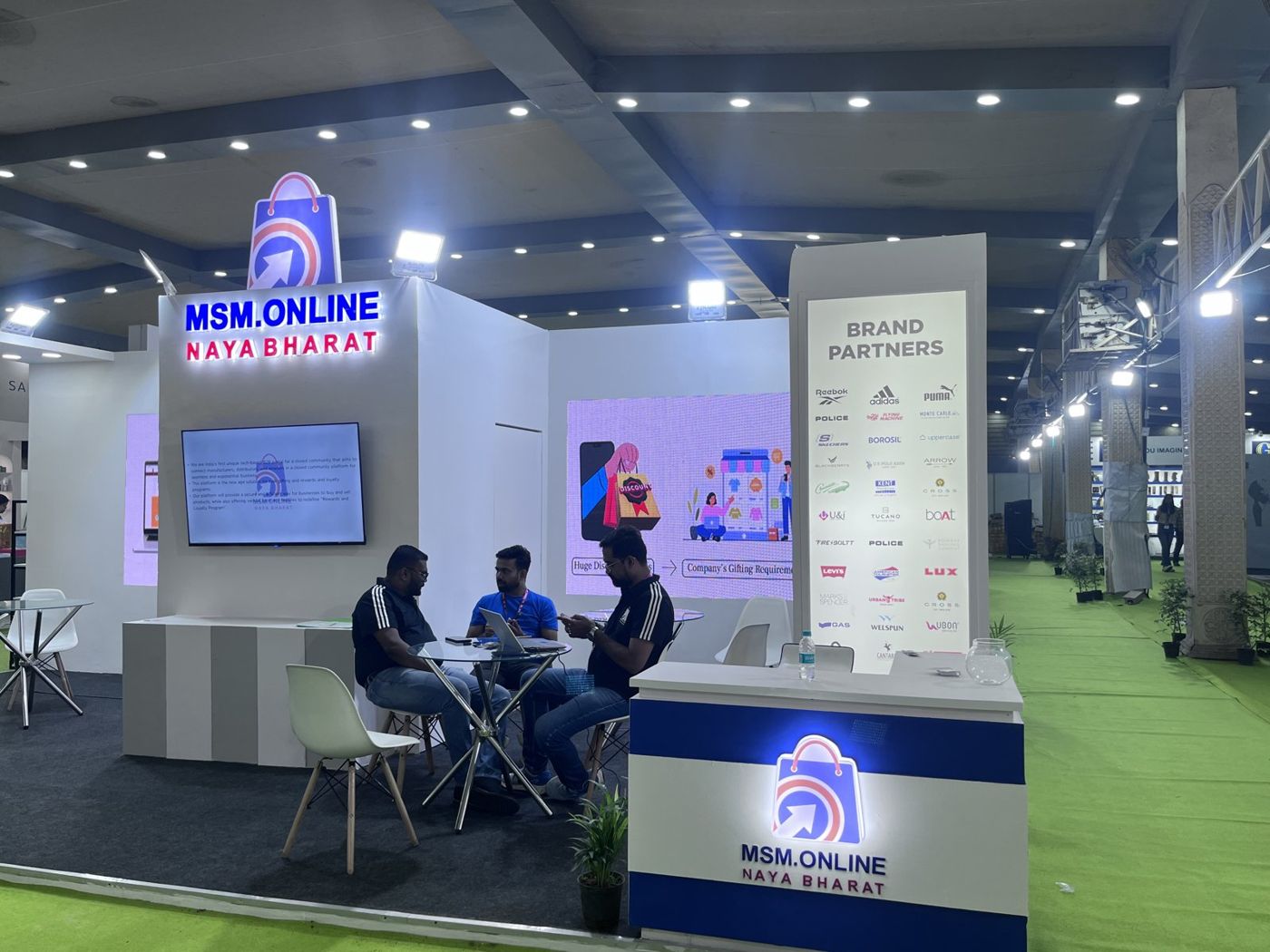
IPCA Electronics Expo, ISTF, Coat India and co-located expos are listed for **14 to 16 January 2027** at Bharat Mandapam in New Delhi. The group sits in technology and electronics manufacturing, with coatings and surface-related exhibits alongside.
Co-located shows bring a wider audience than any single one could. A visitor who came for printed circuit boards may also walk the coatings halls, and the reverse. This guide covers who you will meet, how to show manufacturing technology well, and how to plan the build. Dates are as listed in venue and organiser calendars; confirm with the organiser.
Who you will meet
Electronics and coatings audiences are technical. Most visitors work in production, engineering, quality or purchase, and they arrive with specific problems to solve.
Delhi and the surrounding National Capital Region have a large electronics manufacturing and assembly base, so a show here reaches both local plant teams and buyers who travel in from other states. Many of them will compare several suppliers in one day.
- **PCB and electronics manufacturers** looking at materials, equipment and process support.
- **Production and process engineers** comparing machines, chemistry and consumables.
- **Quality and reliability teams** interested in testing, inspection and finishing.
- **Purchase managers** seeking new or second-source suppliers.
- **Distributors and agents** representing international brands in India.
Showing manufacturing technology well
Machines and chemistry do not explain themselves. The stall has to show what they do and what the result looks like.
- Run a live machine if possible, with a sample board or part moving through it.
- Show results up close: finished boards, coated samples or cross-sections under a magnifier or camera feed.
- Use a screen to show the process at full speed and in slow motion.
- Display before-and-after samples for coatings and surface finishes.
- Set up a technical desk where engineers can share drawings and process issues.
Layout ideas for co-located shows
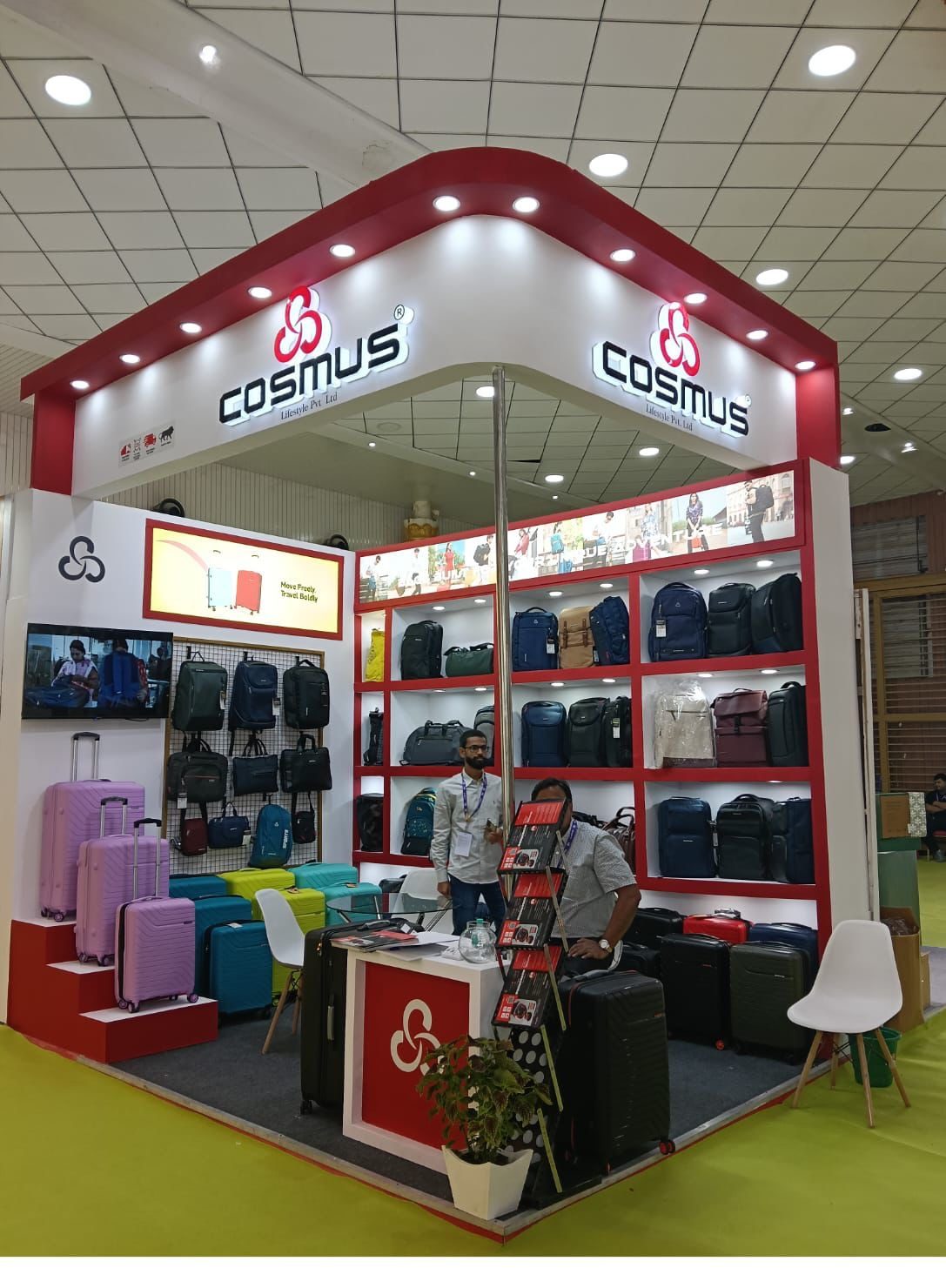
Many visitors arrive from another hall, so make your category obvious at a glance. A clear headline such as what you make and for which process saves them a walk. Place the live machine at the open side, with a glass or clear barrier if safety requires one, and keep the meeting area to the rear.
Machinery on the stall
Live equipment needs planning beyond the stall design. Confirm power type and load, compressed air, exhaust or extraction needs, floor load and delivery timing with the organiser. These items affect the stall layout, so share them in the brief.
Timeline working back from 14 January
We ask for the brief **6 to 8 weeks** before the show. For 14 January 2027, the window runs from about 19 November to 3 December 2026. Stalls with live machines should brief at the earlier end.
- Brief: plot, open sides, machines, utilities and demo plan.
- 3D concept with machine positions, then revisions and approval.
- Organiser submission and utility orders.
- Fabrication; every stall is assembled once and checked against the approved design before it leaves.
- Artwork files to us 5 working days before stall possession.
- Our own crew installs, coordinated with machine delivery, and hands over before opening.
Checklist and common mistakes
- Confirm machine dimensions, weight and access route before the design is final.
- Order power, air and any extraction by the organiser's deadlines.
- Plan lighting for small samples; detail is lost under general hall light.
- Avoid walls covered in specification text; put data sheets on a tablet.
- Do not let machine arrival slip past possession time; it holds up the whole build.
- Prepare lead forms that capture process, volumes and timeline.
Staffing and follow-up
Technical buyers decide slowly and on evidence. The stall starts that process; the follow-up finishes it. Plan both together.
- Have process engineers on the stall at all times, not only during demo slots.
- Run short scheduled demos and display the timings on the stall.
- Offer to process a visitor's own sample after the show; it is a strong reason to stay in touch.
- Record each visitor's process problem in the lead form, so the follow-up is specific.
- Assign every lead an owner and a follow-up date before the show closes.
Co-located shows also bring visitors you did not expect. A coatings buyer may need electronics, or a PCB maker may want surface finishing. Brief your team to recognise those leads and pass them on to the right colleague or partner.
Finally, consider the stall's second life. Equipment brands often exhibit at several shows a year. Stalls can be stored and reused for the next show, so a modular design pays off quickly.
When you brief us, include machine drawings or data sheets with dimensions, weights and utility needs, plus the samples you want to show under magnification. Those details let us place machines, cameras, screens and meeting areas correctly in the first concept, and help you file utility orders with the organiser on time.
Questions exhibitors ask
Can the stall accommodate a heavy machine?
Yes, within the venue's floor load and access limits. We plan the machine position and access in the 3D design.
Can we reuse the stall?
Yes. Stalls can be stored and reused for the next show. The first concept for an upcoming show is free through our free stall design page, and we reply within one working day.