
Internet Of Things India Stall Guide: Demos and Design at Bharat Mandapam
Internet Of Things India, 23 to 25 Mar 2027 at Bharat Mandapam: designing a stall for live IoT demos, dashboards, connectivity, timeline and a checklist.
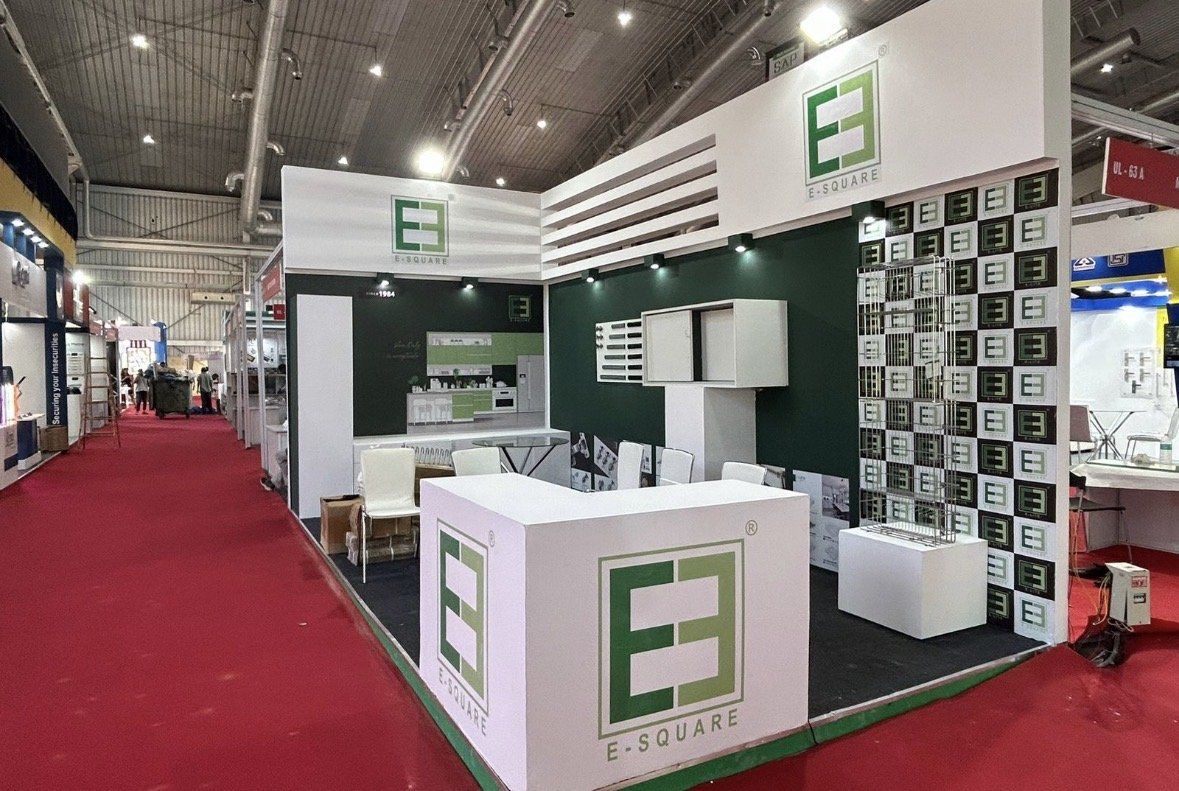
Internet Of Things India is listed for 23 to 25 Mar 2027 at Bharat Mandapam (Pragati Maidan), New Delhi, as per venue and organiser calendars; confirm with the organiser. It is a technology show for connected devices, sensors, platforms and the services that link them.
IoT is hard to show on a stall. The most valuable part of the product is often invisible: data moving from a sensor to a cloud platform and back to a dashboard. Visitors need to see cause and effect, not just a box on a shelf and a screen of charts. This guide covers how to make that visible, and how to plan the stall so demos keep working through three busy days.
Who visits an IoT show
- CIOs, CTOs and IT heads exploring connected solutions.
- Plant heads and operations managers looking at monitoring and automation.
- Smart city, utility and government technology teams.
- System integrators and solution partners.
- Startups, developers and students.
The audience ranges from deep technical experts to business buyers who care about outcomes. The stall must serve both: a quick, clear story for the business buyer and real technical depth for the engineer.
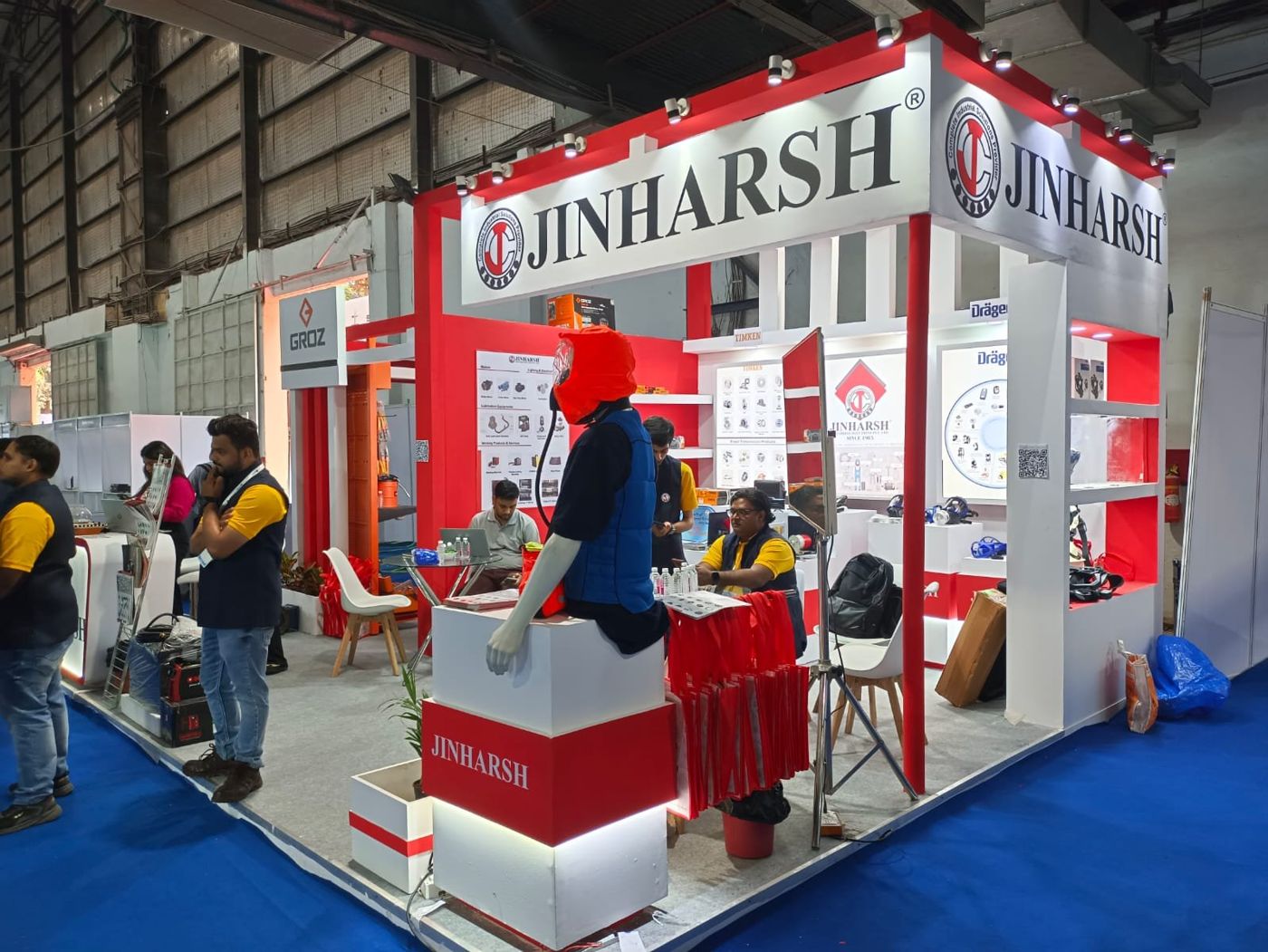
Making IoT visible
Show cause and effect
The best IoT demos let a visitor do something physical and see the result on a dashboard. Press a button, open a door, change a temperature or move a tracked object, and watch the data appear on screen. This makes the value obvious in seconds.
Use real use cases
Build small demonstration setups for the industries you serve: a mini production line with sensors, a cold chain box with temperature monitoring, a smart meter panel or a model building with access control. Label each one with the problem it solves.
Hardware up close
Sensors and gateways are small. Mount them on lit panels at eye height with clear labels, and keep handling samples at a counter.
Technical planning for live demos
- **Connectivity:** hall Wi-Fi is often crowded and unreliable at busy shows. Bring your own connectivity where allowed, use a local network for demos, and keep offline fallback videos ready.
- **Power:** list every device, screen and charger, total the load and apply on time. Plan enough sockets in the right places.
- **Cabling:** hide cables in counters and under a raised floor so the stall stays safe and tidy.
- **Screens:** choose sizes for the viewing distance, and design dashboards with large text that reads from a few metres away.
- **Reset:** make it easy for staff to reset demos quickly when something goes wrong.
Layout ideas
- **Demo station layout:** several stations around the stall, each showing one use case, with a central screen tying them together.
- **Command centre layout:** a large dashboard wall at the back, with demo kits at the front feeding live data into it.
- **Compact layout:** one strong demo, one product wall and a counter for conversations.
Plan a quieter meeting area for solution discussions. IoT deals often involve several stakeholders and long technical conversations.
Telling the story in one line
Visitors walk past many IoT stalls that look alike: screens, small boxes and words like smart and connected. Give your stall one clear line that says what problem you solve and for whom, such as energy monitoring for factories or asset tracking for logistics fleets. Put it high on the stall where it can be read from across the aisle.
Timeline working back from 23 March
For Indian shows we ask for the brief 6 to 8 weeks before. For Internet Of Things India that is between 26 Jan and 9 Feb 2027.
- Late January: brief, plot details, demo list and equipment needs.
- Early February: 3D design, revisions and organiser submission.
- February to early March: fabrication, finishing, demo integration and graphics.
- Mid March: full assembly and check against the approved design, including demo mounts and cable routes.
- Five working days before possession: final artwork files with us.
- Build-up: installation by our own crew, then demo setup and testing by your team.
Exhibitor checklist
- Demo use cases chosen and tested end to end.
- Connectivity plan, with an offline backup.
- Device list with power needs.
- Dashboard content designed for distance viewing.
- Technical staff on the stall at all times.
- Lead capture method agreed and tested.
- Logo and artwork files.
How we build your stall
We design in 3D and build in our own factory with our own crew. We do not subcontract the build. Demo counters, screen mounts and cable routes are planned in the design so your kit fits on the day. Every stall for an Indian show is assembled once and checked against the approved design before it leaves.
Questions exhibitors ask
Can you build custom demo setups?
We build the stall structures, counters and display models that hold your devices. Your team supplies and configures the technology.
Can the stall be reused for other tech shows?
Yes. Stalls can be stored after the show and reused, with graphics updated.
How do we start?
Send your plot and demo plan through our free stall design form. The first concept is free, and we reply within one working day.