
Exhibitor Checklist: 40 Things to Tick Off Before Your Show
A 40-point exhibitor checklist covering space booking, organiser forms, stall design, build, logistics, staffing, marketing and show-day essentials.
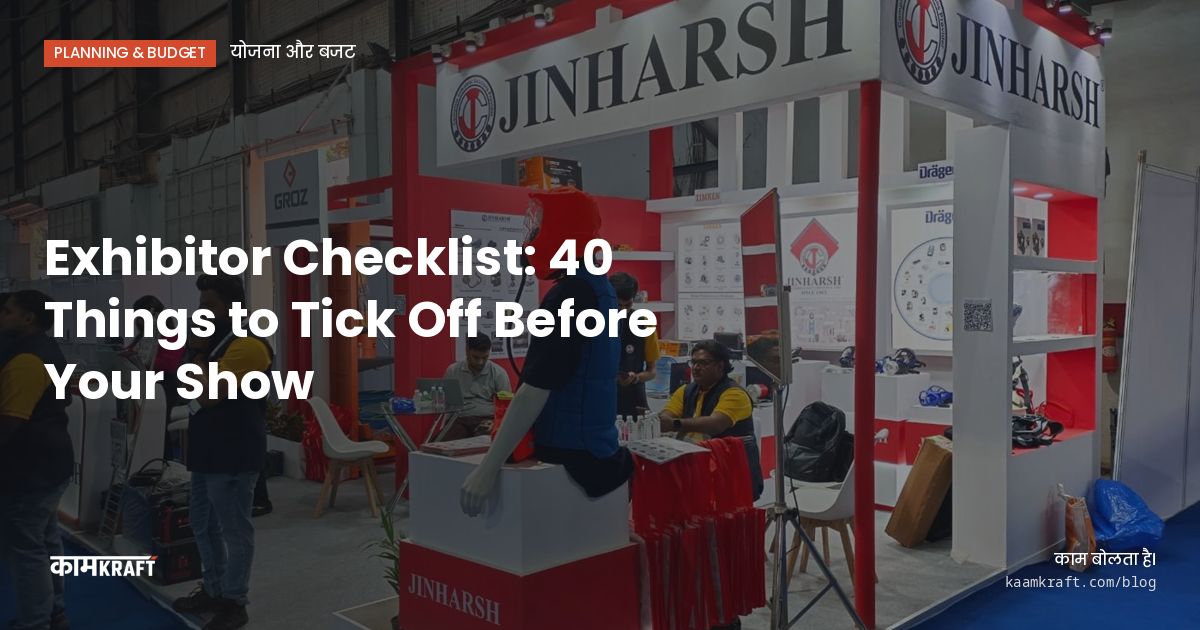
Before your show, you need to have covered six areas: the space and organiser paperwork, the stall design, the build and logistics, the products and materials going onto the stall, the people staffing it, and the marketing that brings visitors to it. The 40 items below cover each of these. Print it, assign an owner to each line and tick them off as you go.
Dates and specific requirements depend on your show, so check every item against the organiser's exhibitor manual. Where the manual has its own checklist or forms, those come first.
Space and organiser paperwork
- Stall booked, with stall number, size and number of open sides confirmed in writing.
- Floor plan checked for pillars, entrances, fire exits and neighbours near your stall.
- Exhibitor manual downloaded and read in full by the person who owns the show.
- All organiser deadlines copied into one shared calendar.
- Stall design submitted for organiser approval, if the manual requires it.
- Fabricator registered as your stall contractor, if required.
- Power load calculated and electrical order placed.
- Water, compressed air or internet ordered, if needed.
- Rigging or hanging banner request submitted, if allowed and wanted.
- Exhibitor badges and passes requested for all staff and crew.
Stall design
- Goals for the stall agreed: leads, meetings, launch or presence.
- Brief sent to the designer with brand files, products and the manual.
- Hero product chosen and placed where the aisle sees it first.
- Meeting space and storage sized for your team and stock.
- Lighting plan agreed, including product lighting.
- Graphic content written, short and readable from the aisle.
- Final design and quotation approved by every decision maker.
- Stall height and setbacks checked against organiser rules.
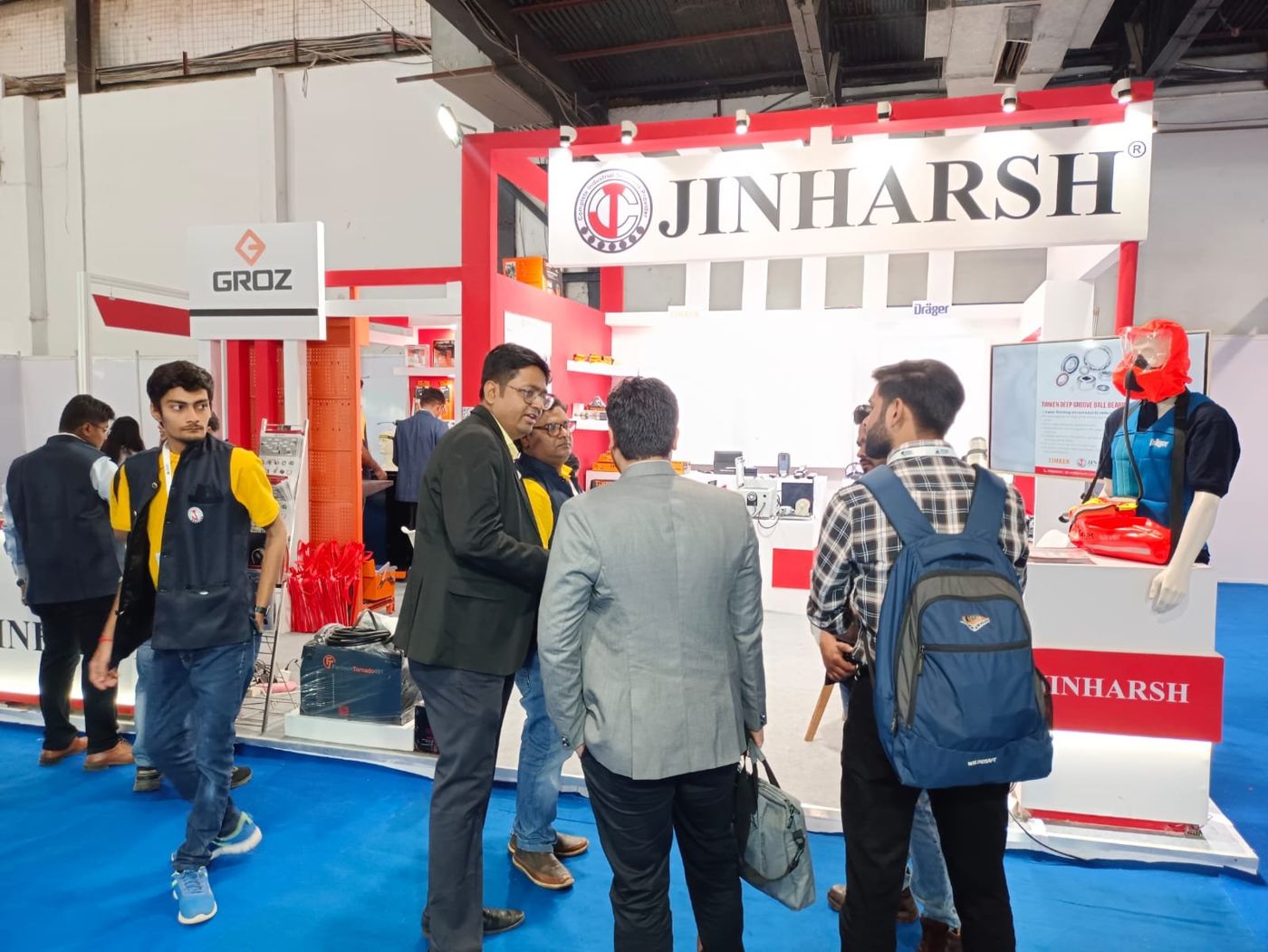
Build and logistics
- Final graphic files sent to the fabricator in the right format and size.
- Colour samples approved for paint and print.
- Dry assembly checked in the factory, with photos or a visit.
- Build-up slot and vehicle access confirmed with the organiser.
- Dismantling date and time noted, and the crew booked for it.
- Decision made on storing and reusing the stall, or disposal after the show.
- Contact numbers of the fabricator's site lead shared with your team.
We build and dry-assemble every stall in our Bengaluru factory before it ships, so the colour sample and dry assembly checks happen as part of our process. If you want to keep the stall for later shows, ask about storage and reuse before the design is final, since it affects how the stall is built.
Products, materials and equipment
- Product list prepared, with sizes, weights and who brings each item.
- Heavy exhibits planned with the organiser for move-in, if needed.
- Brochures, catalogues, visiting cards and price lists printed or ready digitally.
- Screens, laptops, tablets and chargers listed, with content loaded and tested.
- Giveaways and samples counted for the number of show days.
- A small kit packed: tape, scissors, cleaning cloths, cable ties, extension boards approved by the organiser, first aid, spare batteries.
People and staffing
- Staff roster made for each day and shift, with breaks covered.
- Briefing held: goals, products, key messages and how to log leads.
- Lead capture method chosen and tested, whether an app, a form or a scanner.
- Dress code and name badges arranged.
- Travel and hotel booked for staff coming from other cities.
Marketing and follow-up
- Customers and prospects invited, with your stall number and hall.
- Show and stall details added to your website, email signatures and social pages.
- Meetings booked in advance with key visitors.
- Follow-up plan agreed: who contacts which leads and by when after the show.
The items people forget most
From the stall builder's side, a handful of lines cause most of the last-minute calls. The power order is the big one. If the stall has more lights, screens or demo equipment than the order allows, something will not switch on at opening, and adding load on site is not always possible. Count every device and share the list with your fabricator before you place the order.
Graphic files come next. They often arrive late, in the wrong size or at low resolution, and printing cannot start until they are right. Ask your fabricator for the exact sizes and format at the design stage, and treat the file deadline as seriously as the show date.
The third is storage. Teams arrive with cartons of brochures, giveaways and personal bags, and the stall has nowhere to put them. A lockable cupboard sized for real stock keeps the front of the stall clean for all the show days.
How to use this checklist
Give every line one owner, not a team. Put the organiser's dates next to the relevant items, and review the list in a short weekly meeting from the day you book the space. Items that depend on other people, such as approvals and graphic files, are the ones most likely to slip, so chase them first.
Lead time is the item that shapes all the others. We ask for a brief 3 to 4 weeks ahead for shows in Karnataka, 4 to 6 weeks for the rest of South India, and 6 to 8 weeks for shows elsewhere. For a December show such as Paperex South India 2026 at Chennai Trade Centre, 3 to 5 December 2026, that means starting in October. Our FAQ answers common questions about the process.
Planning a stall?
Hand us the stall side of this list: design, build, logistics, installation and dismantling, with our own crew on site through the show. Start with Plan your project, or WhatsApp or call +91 70190 58391.