
Exhibiting Across South India: One Stall, Several Cities
How to use one stall across Bengaluru, Chennai, Hyderabad, Kochi and Coimbatore shows: modular design, storage, graphics changes, lead times and trade-offs.
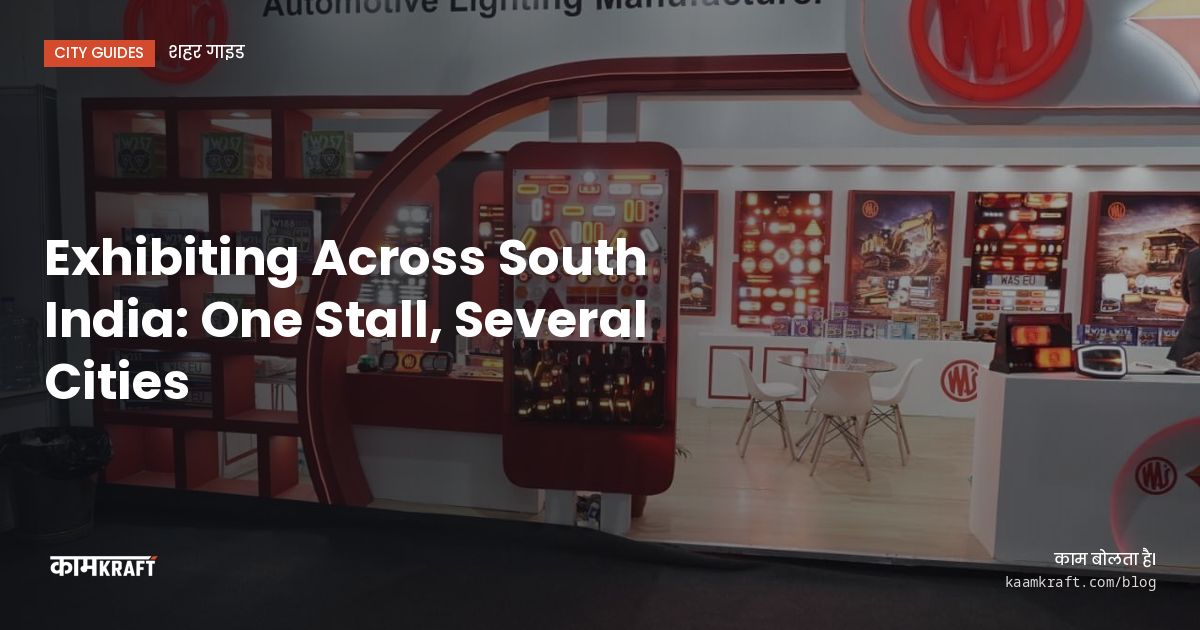
If you exhibit at several shows across South India each year, one well-designed stall can usually do the job of several. The trick is to design it for reuse from day one: a sturdy modular core, panels that reconfigure for different plot sizes, graphics that change per show and a storage plan between events. Done well, it cuts rebuild work, keeps the brand consistent and makes each new show faster to plan.
It is not always the right choice. If your shows differ a lot in size, audience or open sides, one stall can end up as a compromise everywhere. Below is how we decide, how we design for it and what to plan for in each city.
When one stall makes sense
- You exhibit at three or more shows a year in South India.
- Your stall sizes are similar, or fall into two or three standard sizes.
- Your audience and message stay broadly the same across shows.
- You want the brand to look the same wherever visitors meet you.
- You have a regular calendar, so storage and refresh can be planned.
It makes less sense when one show needs a large island with heavy machines and another needs a small inline stall for a consumer crowd. In that case, a shared design language with two separate builds often works better than one stall stretched across both.
Designing a stall for reuse
A reusable stall is designed differently from a one-off. The structure has to survive repeated assembly, transport and storage, and the layout has to adapt to plots that change from show to show.
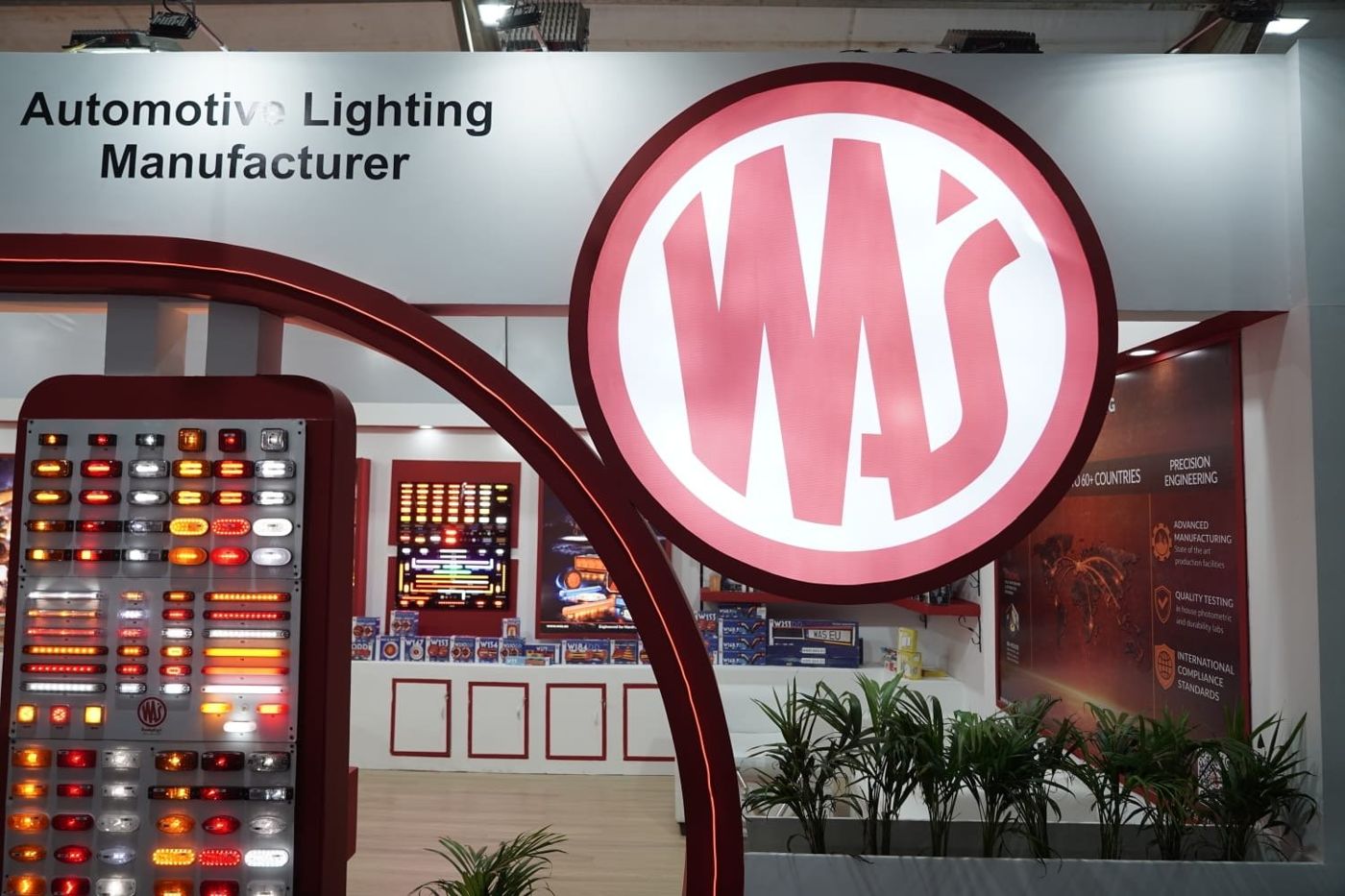
- Start with the largest stall size you expect, then plan how it scales down.
- Build the core from durable materials with joints designed for repeated assembly.
- Keep graphics separate from structure, so they can be swapped per show.
- Design counters, shelves and display units as standalone pieces that can move around the plot.
- Plan for corner, inline and island configurations if your open sides vary.
- Number and document every panel so any crew can rebuild it the same way.
We build and dry-assemble every stall in our Bengaluru factory, and reusable stalls go through the same process. Between shows, they can be stored, checked and refreshed. Our page on reusable stalls explains the storage and refresh options.
City by city: what changes
The stall may stay the same, but the plan around it changes with each city. Lead times, transport, weather and audience all shift. Venue rules also differ, so check each show's exhibitor manual for height limits, power and build-up timings.
Bengaluru
Closest to our factory, with a brief needed 3 to 4 weeks ahead for Karnataka shows. The easiest place to test a new reusable stall before it travels.
Chennai and Coimbatore
Brief 4 to 6 weeks ahead. Both cities lean industrial, so plan space for products and meetings. See our Chennai stalls and Coimbatore stalls pages for city detail.
Hyderabad
Also 4 to 6 weeks ahead. Pharma, diagnostics and technology audiences often want a meeting room, so a reusable stall for Hyderabad should include an enclosable meeting module. More on our Hyderabad stalls page.
Kochi
Brief 4 to 6 weeks ahead, with extra margin in the monsoon months for the ghat roads. Humidity is high, so finishes on a reusable stall should be sealed. See our Kochi stalls page.
Graphics, storage and refresh
The graphics are what make a reused stall feel new. Plan a graphics change for each show, focused on the products and message that matter to that audience. Keep the structure, colour and brand elements consistent so returning visitors recognise you.
- Change hero graphics and product panels per show; keep the brand header constant.
- Inspect panels, edges and electricals after every show and fix damage before storage.
- Refresh paint or laminate surfaces periodically so the stall does not look tired.
- Store flat panels and counters in covered, dry conditions.
- Plan show-to-show moves when two events are close together, skipping the trip back to the factory if it makes sense.
Trade-offs to weigh
- Reusable stalls need more effort and better materials upfront, though they avoid rebuilding each time.
- A single design may not suit every plot shape perfectly.
- Storage, inspection and refresh are ongoing tasks that need to be planned.
- Over time, the design can feel dated; plan a bigger refresh every few seasons.
Our locations page shows the cities across South India and beyond where we build and install stalls.
Planning the season, not just the show
A multi-city plan works best when the whole season is mapped out at the start. List every show you expect to attend, with dates, cities, stall sizes and open sides. That one sheet tells us how big the core needs to be, which modules you will need and where the stall should be between events.
- List the season's shows with dates, venues, plot sizes and open sides.
- Mark which shows have the most important audience, and design the core for those first.
- Identify gaps between shows to decide whether the stall returns to the factory or moves directly.
- Set graphics deadlines for each show, working back from each brief lead time.
- Book the crew and transport for the full season so dates do not clash.
When the season changes, as it always does, the plan can be updated without starting from scratch. A new show slots into the calendar, a new module is added, and the rest stays as it is.
Planning several shows?
Send us your show calendar, stall sizes and open sides, and we will propose a reusable stall plan with storage and refresh built in. Start with Plan your project, or WhatsApp or call +91 70190 58391.