
Embedded World 2027 Nuremberg: Stand Guide for Indian Exhibitors
Indian electronics and embedded firms at Embedded World, Nuremberg, 16 to 18 Mar 2027: demo-led stand ideas, local build, a 10-week timeline and checklist.
Embedded systems sit inside almost everything that has a chip: vehicles, medical devices, industrial controls, consumer electronics. Embedded World brings that industry together at the Exhibition Centre Nuremberg from **16 to 18 March 2027**, as listed in venue and organiser calendars; confirm with the organiser.
India has a growing base of embedded software firms, design service companies, electronics manufacturers and module makers. For them, Nuremberg is a place to meet engineers and product teams who are choosing partners and parts. This guide covers how to plan a stand that suits a technical audience, and the timeline for building it in Germany.
Who you are talking to
Most visitors at an embedded systems show are engineers, product managers and technical buyers. They know the field. They will ask about chipsets, toolchains, certification, power use, and how long a part will stay in production. A stand that cannot answer those questions on the spot loses them quickly.
- Design engineers looking for boards, modules, sensors and software tools.
- Product teams looking for design partners to take a product from concept to production.
- Purchasing teams comparing suppliers on quality, lead time and lifecycle support.
- Start-ups and research groups looking for components and development kits.
A stand built around working demos
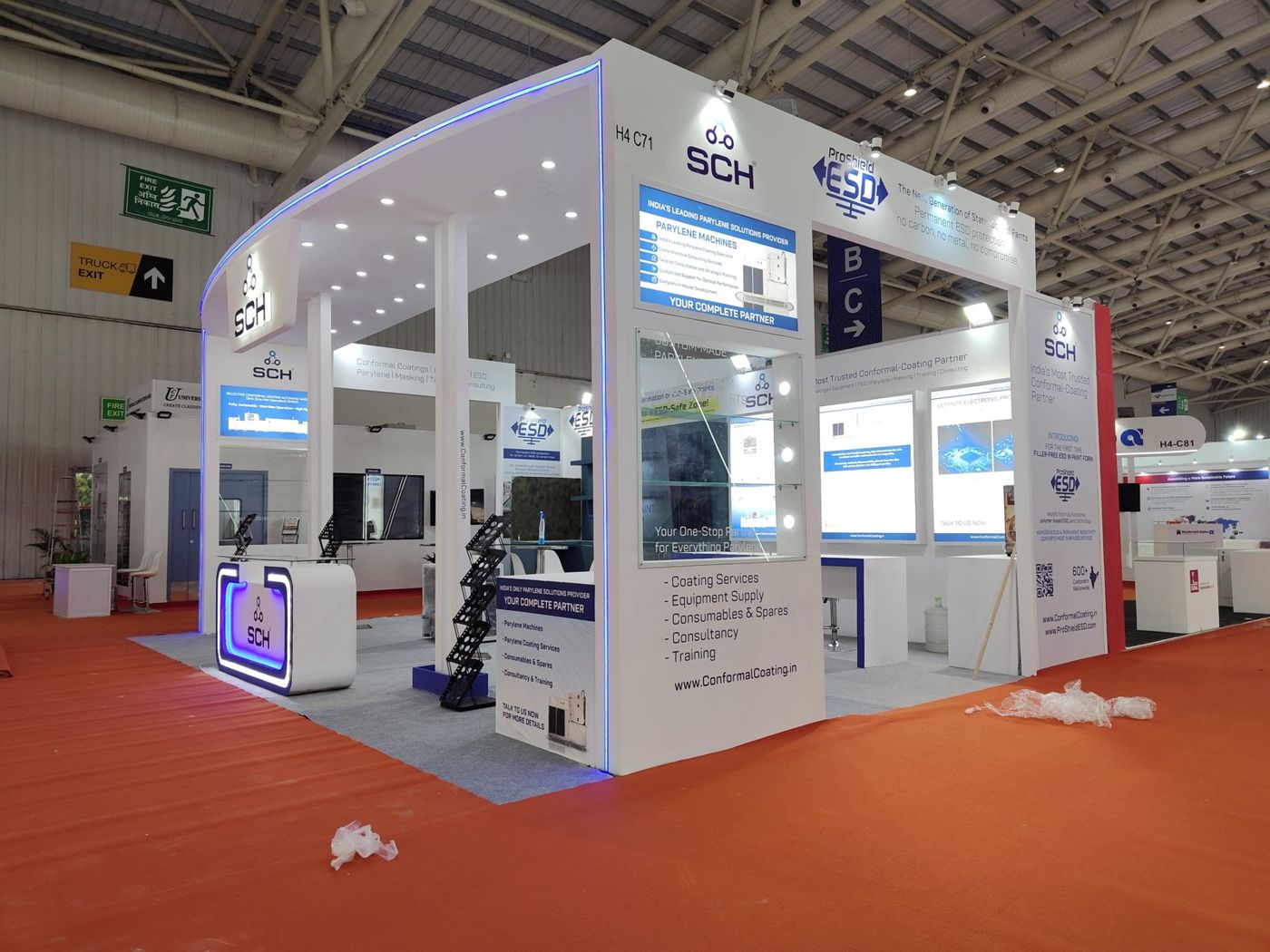
At a technical show, a live demo is your strongest message. It proves that the product works and gives engineers something to question. Plan the stand around demo stations rather than around graphics.
- Choose two to four demos, each showing one clear use case such as motor control, connected sensors or edge processing.
- Give each demo its own counter with power, network and a screen at a comfortable height.
- Label each station with a short line on what it shows and which product it uses.
- Put an engineer at each station who can explain the design in detail.
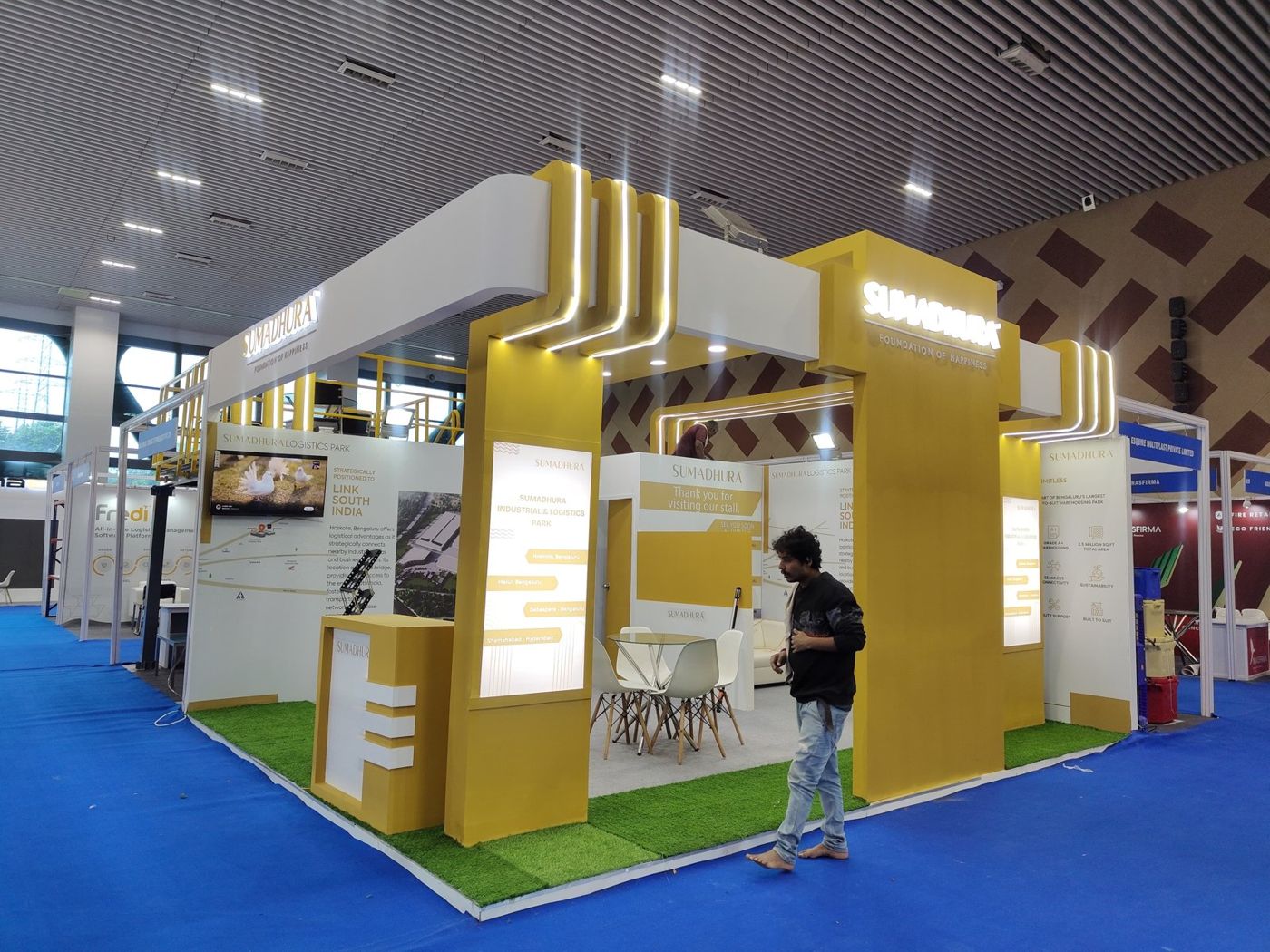
- Keep a separate table for project and partnership discussions, away from demo noise.
Boards and modules are small. Use magnification, close-up camera feeds on a screen, or enlarged models so visitors can see detail from the aisle. Keep spare units on hand in case a demo fails during the show.
Power, network and test rigs
Germany uses 230 V power with European plugs. List every device, its power draw and connection needs before the stand is designed. Venue internet and power are usually ordered through the organiser's service portal with deadlines, so build those into the plan.
Graphics that engineers will read
Engineers skim past slogans. They stop for specific, useful information. Write graphics the way you would write a good datasheet headline: what the product is, its key specification and where it fits.
- Lead with capability, for example the processor families, interfaces or standards you work with.
- Show a simple block diagram or reference design on a wall graphic.
- List industries served with one short example each, where you are allowed to share it.
- Add a QR code on each demo label linking to the datasheet or documentation.
Local build, designed by our team
We do not ship stands from India. Our team designs the stand in 3D, prepares working drawings and has it built locally near the venue to those drawings. Our team manages the build and installation. You bring the demo hardware; the structure is waiting for it.
Timeline to 16 March 2027
For a show abroad, brief us about **10 weeks ahead**. For Embedded World that is around **5 January 2027**. Starting before the year-end break is better still, since December is slow in both India and Germany.
- Early January 2027: brief, plot plan, demo list and technical needs per station.
- January: 3D concept, revisions and final layout.
- Early February: drawings to the organiser, power and internet orders placed.
- February to early March: local build, graphics, furniture and AV.
- 5 working days before possession: final artwork files.
- Build-up: installation, demo set-up and testing, handover.
Checklist before you travel
- Apply for Schengen visas early, with an invitation letter from the organiser.
- Check export and customs paperwork for demo hardware you hand-carry or ship.
- Prepare datasheets and a short capability deck in English.
- Set up a simple lead capture method and agree who follows up each enquiry.
After the show, sort leads by type: design partnership, component purchase or general interest. Engineers expect a technical reply, so have the right person respond, ideally within a week.
Questions exhibitors ask
We only have a small stand. Is a demo-led design still possible?
Yes. On a small plot, one strong demo and one meeting point work better than three crowded counters. We will plan the layout around your plot size.
Can you build the same stand again for an Indian electronics show?
We can adapt the design for India and build it in our own factory with our own crew. Ask for a free stand concept covering both.
Should we exhibit alone or within a country pavilion?
Both can work. A pavilion space is often smaller and has shared branding rules, while your own stand gives full control. Either way, check the organiser's rules for your space before the design starts, and we will design within them.