
Electronica Munich Stand Guide for Indian Electronics Exhibitors
Exhibiting at Electronica in Munich from India: what design engineers and buyers look for, displaying small components, local build and a 10-week plan.
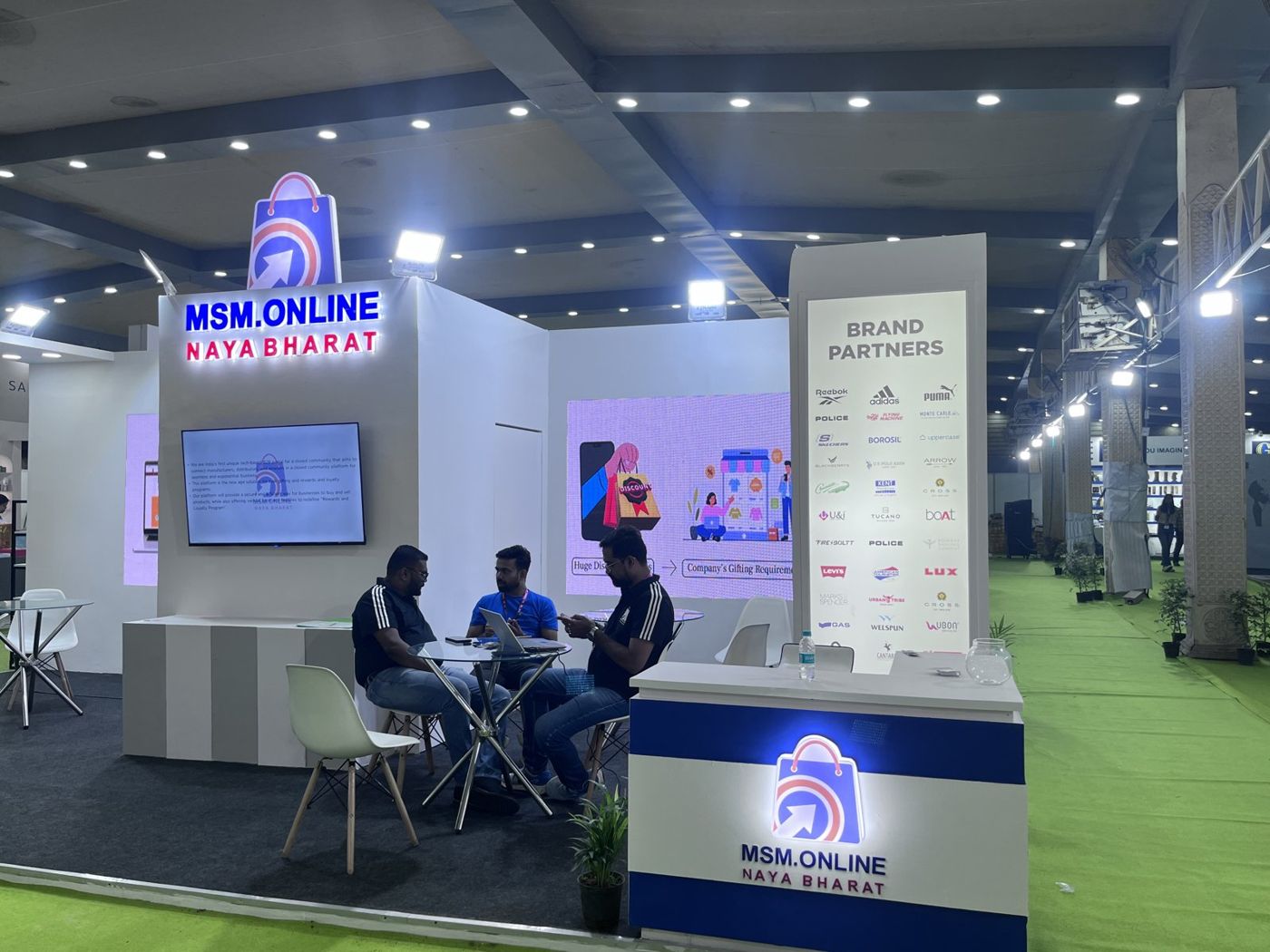
Electronica is listed for 10 to 13 Nov 2026 at Fairground Messe München in Munich, as per venue and organiser calendars; confirm with the organiser. It is one of the best known meeting points for the electronic components and systems industry. For Indian makers of PCBs, modules, passive components, power electronics and electronic manufacturing services, it is a direct line to European design engineers and buyers.
A word on timing. Our normal brief for a show abroad is about 10 weeks before opening, and that point has passed for this edition. If you are already booked and still need a stand, contact us today and we will tell you plainly what is realistic. Otherwise, use this guide to plan your next participation properly.
Who walks the aisles
Electronics visitors are mostly technical. Many are looking for a specific part, a second source or a manufacturing partner.
- Design engineers who need datasheets, samples and application support.
- Purchase and sourcing managers comparing price, lead time and quality.
- Distributors looking for new lines to represent.
- EMS and OEM teams checking capacity and certifications.
These visitors decide quickly whether to stop. Your stand must tell them in a few seconds what you make and for which applications.
Making small parts visible
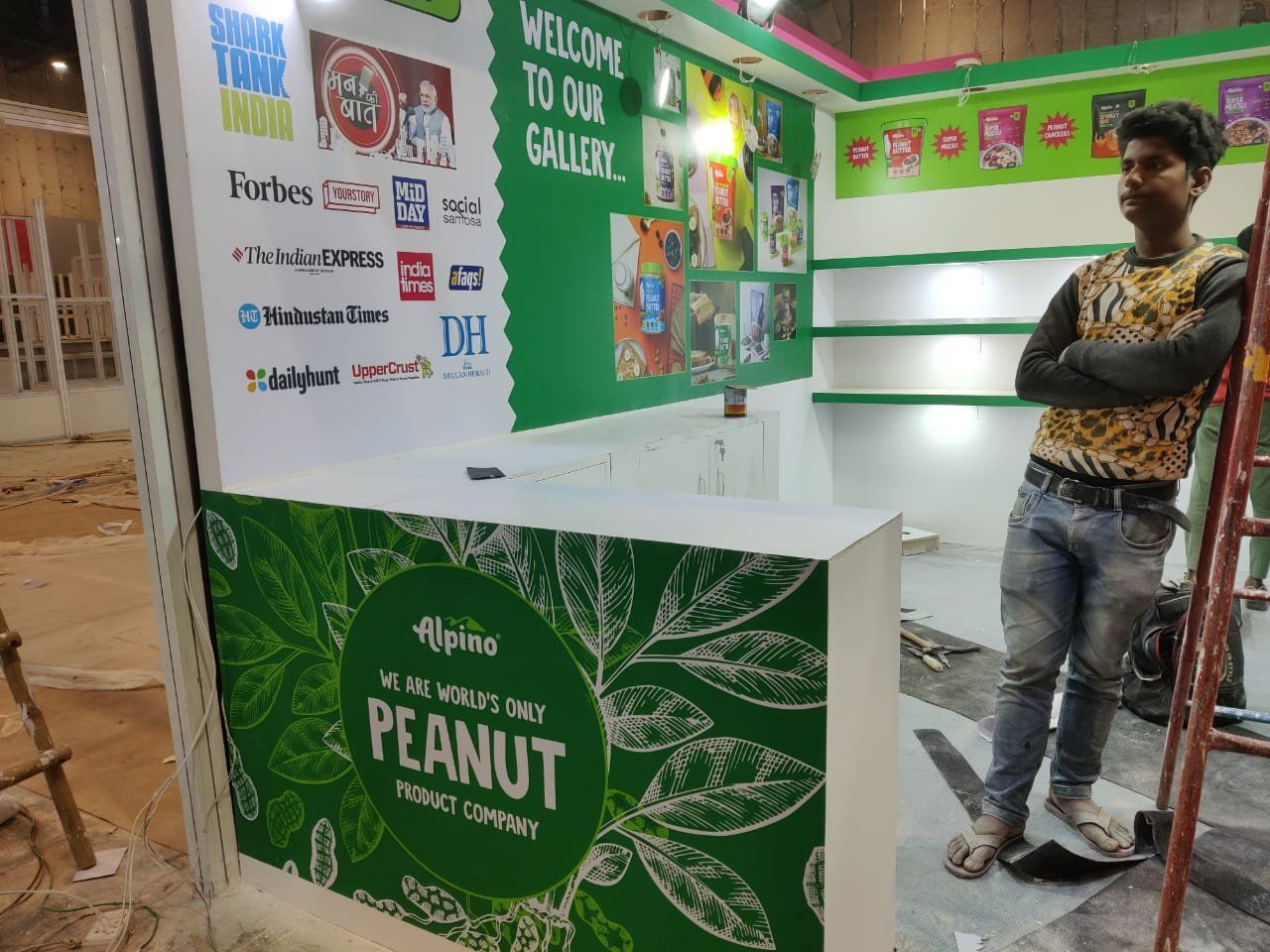
Components are tiny, and most look alike from the aisle. Good display design is the main job of an electronics stand.
- Mount parts on contrasting panels at eye height, with clear labels.
- Use focused lighting on each display so detail is visible.
- Show the component inside the product it goes into, such as a power module in a charger or a board in a meter.
- Use magnifiers or a camera feed to a screen for very small parts.
- Keep sample packs at the counter for engineers to take away.
Demos and live boards
A working demo board, running software or a test setup gives engineers something to discuss. Plan power, cable routing and a stable table, and make sure the demo restarts easily if it crashes.
Layout ideas
For a compact stand, use one wall for product families, a counter for samples and demos, and a two-seat meeting table. For a larger stand, split the space by application, such as automotive, industrial and consumer, so visitors find their area quickly. Keep the front open and avoid tall solid walls on the aisle.
Many Indian electronics companies attend as part of a country pavilion or a shared space. If that is your situation, you will often get a shell space with set walls. Even then, good lighting, a clear headline and well-mounted samples can make your space stand out from neighbouring booths. Ask us for a graphics and display package that fits pavilion rules.
Graphics for an engineering audience
European engineers read stand graphics like a short datasheet. They want product families, key parameters, standards and the industries you serve. Keep the copy in English, short and factual. One clear line about what you do best, such as power modules for EV chargers or high-mix PCB assembly, is worth more than a full wall of text. Put your certifications where they can be seen from the aisle.
How the build works
We design the stand in 3D. It is built locally near the venue to our drawings, and our team manages the build and installs it. Nothing is shipped from India, so there is no freight or customs for the structure. Your product samples and demo kits travel with your team or through your own logistics.
A 10-week plan for your next Electronica
- Week 10: brief, space plan, product list and demo needs.
- Weeks 9 to 8: 3D concept, revisions and sign-off.
- Weeks 8 to 6: drawings and service orders to the organiser.
- Weeks 6 to 2: local production, graphics preparation and travel bookings.
- Five working days before possession: final artwork delivered.
- Build-up: installation, lighting checks and demo testing.
Checklist
- Datasheets and catalogues in English, printed and digital.
- Certifications and quality approvals shown on the stand.
- Samples packed and labelled by product family.
- Lead capture method agreed before the show.
- Meetings with distributors booked ahead.
- A technical person on the stand at all times.
Mistakes to avoid
- Displaying hundreds of parts with no grouping, so nothing stands out.
- Relying on screens alone when engineers want to hold a sample.
- Sending a sales-only team that cannot answer application questions.
- Leaving demo setup until the morning the show opens.
- Forgetting that hall Wi-Fi is often busy, so demos should run offline where possible.
After the show, follow up within a week while visitors still remember your stand. Engineers often share contacts with colleagues, so a clear sample request process helps.
Questions exhibitors ask
Can you still help if the show is a few weeks away?
Ask us. We reply within one working day and will say honestly what can be done in the time left.
Can the stand be reused at other shows?
Yes. Stands can be stored after the show and reused, with new graphics for each event.
How do we start?
Send your space and products through our free stall design form. The first concept is free.