
Chennai Trade Centre: A Stall Planning Guide for Exhibitors
Planning a stall at Chennai Trade Centre: a week-by-week timeline, what to check in the exhibitor manual, humidity and monsoon, and build-up from Bengaluru.
Chennai Trade Centre in Nandambakkam is the city's main exhibition venue, hosting industrial, engineering, packaging and consumer shows through the year. If you are exhibiting there, planning starts with three things: the organiser's exhibitor manual, a realistic timeline for building and moving the stall, and a design suited to the buyers that show attracts.
We build our stalls in Bengaluru and truck them to Chennai. That journey shapes how we plan, and the same principles apply even if your fabricator is local.
Start with the timeline
For shows in South India outside Karnataka, we ask for a brief 4–6 weeks ahead. That allows for design, approvals, fabrication, dry-assembly at our factory and the road trip to Chennai, with a buffer for changes. A typical sequence looks like this.
- Week 1: brief, space details and exhibitor manual shared; first 3D design.
- Week 2: revisions, final design and drawings submitted to the organiser.
- Weeks 3–4: fabrication, painting, graphics printing and electricals.
- Final week: dry-assembly, inspection, packing and dispatch.
- Build-up days: install, organiser inspection, power on and final clean.
If the organiser's design submission deadline falls before the end of week 2, move everything earlier. The manual's dates always win over any plan.
What to check in the exhibitor manual
We do not rely on remembered specs for any venue. Each show at Chennai Trade Centre has its own manual, and the details that matter can differ by hall and by organiser.
- Which hall your space is in, and the permitted build height there.
- Whether double-decker structures or rigging are allowed, and what approvals they need.
- Floor type and any limits on point loads if you are bringing heavy exhibits.
- The power ordering process, deadlines and the load you need to declare.
- Rules on materials and fire safety, especially for fabric, foam and carpet.
- Truck entry times, unloading arrangements and contractor passes.
- Dismantle timings and how security deposits are returned.
Designing for Chennai's climate
Chennai is hot and humid for much of the year, and late-year shows can run into the north-east monsoon. Inside the hall this matters less, but it affects how the stall travels, how your staff cope and how visitors arrive.
- Pack graphics and painted panels so they are protected from moisture on the road and during unloading.
- Plan for staff comfort: water, somewhere to sit and shifts, so nobody is on their feet all day.
- Use finishes that stay clean in humid conditions. Wipeable laminates and well-sealed paint hold up better than raw board.
- If rain is likely, keep a mat and an umbrella stand at the entry so the stall floor stays clean.
Trade visitors at industrial and packaging shows want detail. Give them product information they can take away, a sample or a spec sheet, and a place to sit and talk properly. A clean, well-lit stall that shows the product clearly usually does better than a loud one.
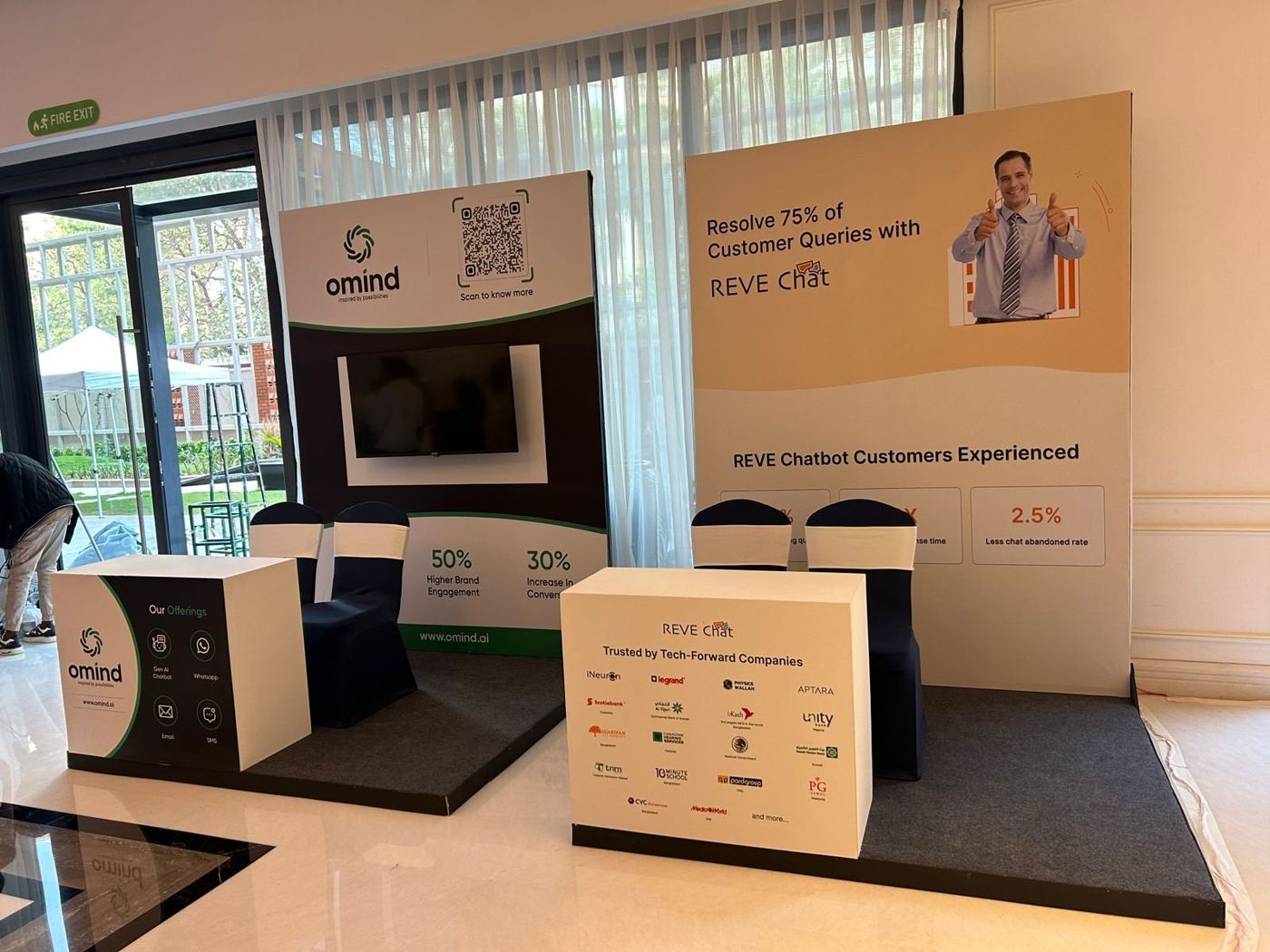
Show example: Paperex South India 2026
Paperex South India 2026 runs 3–5 December 2026 at Chennai Trade Centre. For paper, tissue and packaging exhibitors, the stall has to show texture, finish and colour accurately, and that comes down to lighting and display.
- Use neutral lighting with good colour rendering so paper and board look true.
- Display samples on shelves or racks that visitors can touch, with clear labels.
- If you are showing machinery, confirm floor loading and power early.
- Leave room for a meeting table, since packaging buyers often want to discuss specifications on the spot.
For a December show, briefing in October keeps you comfortably inside our 4–6 week window, with time to handle any organiser comments on the drawings.
Build-up and dismantle in Chennai
Our own crew travels with the stall and installs it, so the people who built it in the factory are the ones putting it up in the hall. That matters when something needs adjusting, because they know every joint. The crew stays through the show and handles dismantling.
- The truck arrives at the agreed entry time with passes ready.
- Platform and frames go up first, then walls, graphics, lighting and furniture.
- The organiser inspects the electrical work, then power is switched on.
- Products are placed, the stall is cleaned and we walk through it with your team.
- After the show, we dismantle within the permitted window, pack, and either bring the stall back to Bengaluru or store it for the next show.
Mistakes to avoid on a Chennai build
Most problems we are asked to rescue at out-of-town shows come from a handful of avoidable slips. They are worth listing because each one costs build-up time, and build-up time is the one thing you cannot buy more of on the day.
- Graphics approved late, so printing is rushed and colours are not checked against the stall finishes.
- Products and literature sent by courier to the venue without a named person to receive them.
- Staff badges requested after the organiser's cut-off, leaving your team queuing at the help desk on day one.
- No one from your side available on build-up day to approve small changes, so decisions wait.
- A design reused from another venue without checking it against this show's height and back wall rules.
If you exhibit in Chennai often, a stall designed for reuse can be stored between shows and refreshed with new graphics, which shortens the next timeline considerably.
Planning a stall in Chennai?
Send us the show, your space and the exhibitor manual, and we will come back with a 3D design and a timeline. Start with Plan your project, see the Chennai Trade Centre venue page and our exhibition stalls in Chennai, or WhatsApp or call +91 70190 58391.