
Agriculture and Agritech Stalls: Outdoor Builds and Tractor Displays
Planning an agri expo stall: building on open ground, wind and rain, ballast, shade, displaying tractors and implements, and graphics farmers can read.
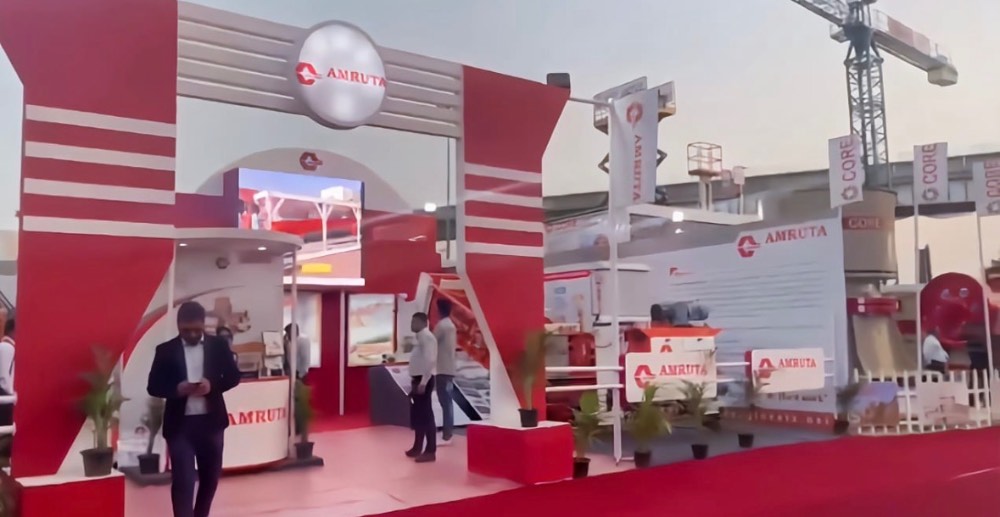
Agriculture shows are often held on open ground, and agri exhibitors usually bring big things: tractors, harvesters, implements, irrigation systems and sometimes drones. That changes how a stall is designed and built. Wind, rain, sun and uneven ground matter as much as the look, and the display has to work for an audience of farmers and dealers who want to see equipment up close.
Here is how we plan outdoor and agri stalls: from preparing the ground to keeping the structure stable, displaying heavy equipment, and making the stall comfortable and readable for visitors on a hot day.
Building on open ground
An indoor hall gives you a flat floor, a roof and walls. Open ground gives you none of these. Before design starts, find out what the plot looks like: grass, mud, gravel or paved. Ask the organiser for the ground conditions, levels and drainage, and visit the site if you can.
- Is the plot level, or will the platform need packing to level it?
- Does water collect there when it rains?
- Is the ground firm enough for vehicles and heavy implements?
- Can you drive stakes or anchors into the ground, or must the stall be weighted?
- Is power provided, or do you need a generator, and where can it stand?
- Is there a covered hangar option, and what does it offer compared with open ground?
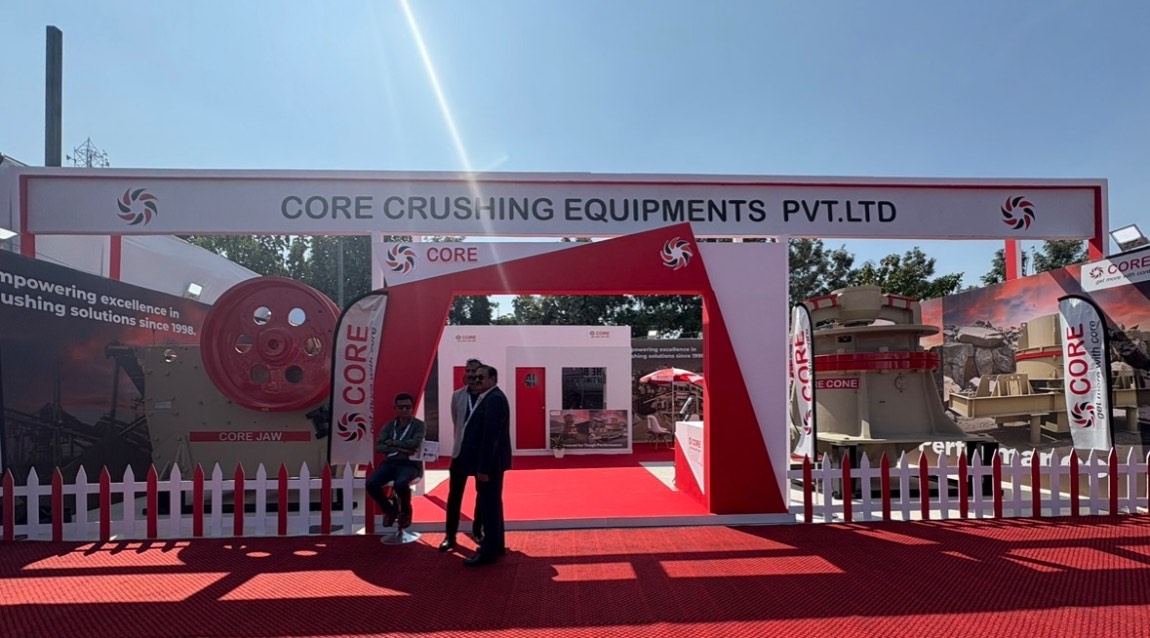
A raised platform does a lot of work outdoors. It levels the stall, keeps visitors out of mud and lets cables run underneath. Edges should be ramped for visitors and wide enough for equipment if anything drives on.
Wind, rain and sun
Wind
Wind is the main structural risk outdoors. Tall solid walls and large fascia panels act like sails. Use open frames, mesh graphics or panels with gaps where possible, and keep tall elements well braced. Whether the stall is anchored into the ground or held down with ballast depends on the organiser's rules and the ground. Check the exhibitor manual and ask your builder to plan the method before fabrication.
Rain
Even outside the monsoon, a sudden shower can ruin a stall. Use weather-resistant finishes on exposed surfaces, outdoor-grade printing on graphics, and sealed electrical fittings. Raise the platform enough that water runs under, not over. Keep a covered area where brochures, laptops and staff bags stay dry.
Sun
Shade keeps visitors on your stall longer. A canopy, a covered meeting area or a shaded seating corner makes a big difference on hot days. Screens are hard to read in direct sunlight, so place them under cover or choose displays meant for bright conditions.
Displaying tractors and implements
Farmers want to climb onto a tractor, look at the hitch and touch the implement. Plan the display so they can, safely.
- Get the size, weight and turning space of each machine before laying out the stall.
- Plan the move-in: machines usually drive or are towed in before the stall is closed around them.
- Decide whether each machine stands on the ground, a reinforced platform or a ramped stage.
- Leave clear space around implements with sharp or moving parts, with a low barrier if needed.
- Add a step or platform so visitors can see into a cab without climbing on the machine.
- Plan where a live or moving demo can happen, and check the organiser's rules on it.
Ground protection matters on soft ground. Heavy machines can sink or leave ruts that become a trip hazard. Ask about ground mats or a firm base under heavy exhibits.
Build-up and dismantling outdoors
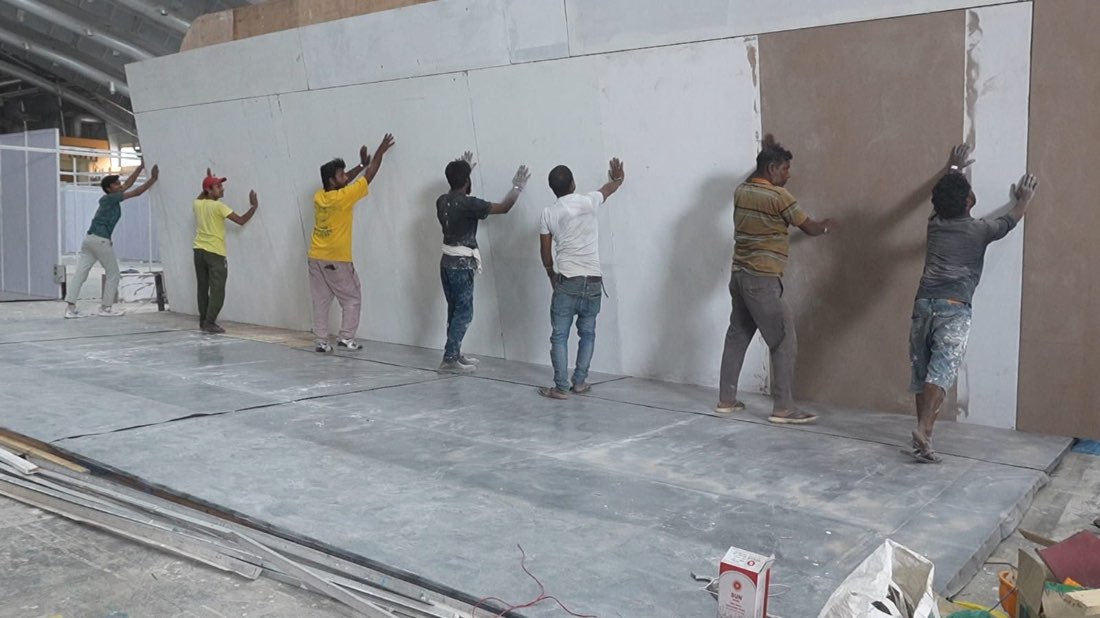
Outdoor build-up depends on the weather. Plan a little extra time in the schedule for rain delays, and keep tarpaulins ready to cover materials. Machines usually come in first, so they need to arrive on time. At the end of the show, the order reverses: graphics and walls come down, then machines drive out, then the platform is lifted and the ground is cleared. Ask the organiser what condition the plot must be left in.
Agritech: drones, sensors and apps
Agritech companies often show things that are small or invisible: soil sensors, weather stations, farm management apps, and drones. Show them working. A sample plot with a sensor in it, a drone on a display stand with its controller, or a screen showing a live dashboard explains more than graphics. Flying drones at a show usually needs permission, so check with the organiser before planning any flight demo.
Graphics and comfort for farmers
Agri audiences are diverse. Use the local language on key graphics alongside English, and keep messages simple: what the product does, what it saves and how to get it. Large type, clear photos and real equipment beat long specification tables.
Comfort counts. Drinking water, shade, seating and clean surroundings keep families and dealer groups on the stall. A dealer enquiry desk helps capture leads from visiting dealers separately from farmer conversations.
Where agri shows happen
Agri and farm expos happen across South India, from open grounds like Palace Grounds in Bengaluru to engineering venues like CODISSIA. We also build for regional shows around Hubballi-Dharwad and Vijayawada. Outdoor stalls built for reuse can travel from show to show; see our reusable stall approach. Lead times are 3–4 weeks for Karnataka, 4–6 weeks for the rest of South India and 6–8 weeks elsewhere.
Planning an agri stall?
Tell us the show, plot size, whether it is indoor or outdoor, and the equipment you plan to display. Plan your project with us, or WhatsApp or call +91 70190 58391.