
Acrylic, Glass and Polycarbonate on Exhibition Stalls
Where acrylic, glass and polycarbonate work on a stall: showcases, lightboxes, signage and demo guards, with trade-offs on clarity, weight and transit.
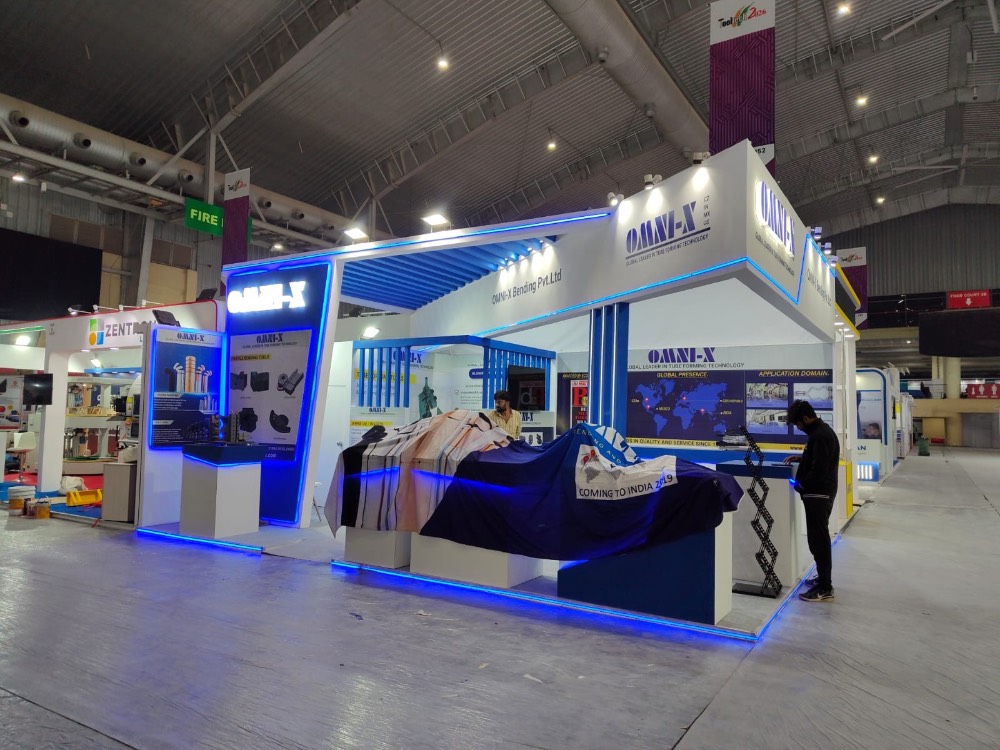
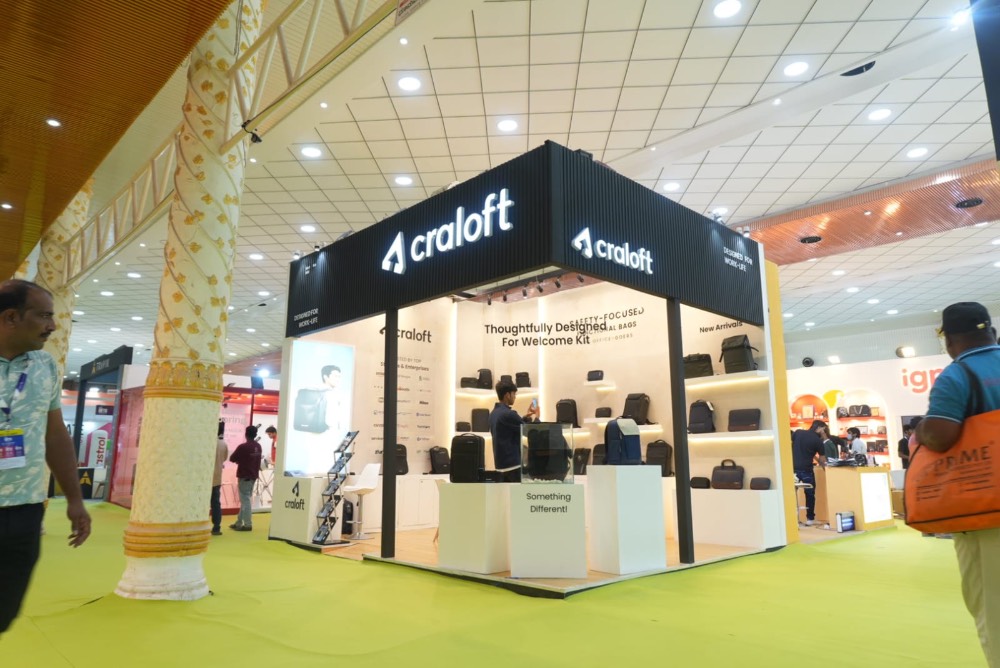
Use acrylic for most stall work: lit letters, lightbox faces, small showcases, product risers and signage. Use glass when you need scratch-resistant, perfectly clear surfaces, such as premium showcases for high-value products, and accept the extra weight and care it needs. Use polycarbonate where impact resistance matters most, such as guards around live demos.
Each of these clear or translucent materials behaves differently under lights, in transit and when visitors touch them. Getting the choice right affects how your products look and how much breakage you deal with on the way to the show.
Acrylic: the everyday clear material
Acrylic is light, cuts and shapes easily, and comes clear, frosted, coloured and opal. Opal acrylic diffuses light evenly, which is why it is the standard face for lightboxes and backlit logos. It can be laser-cut into letters, bent into curves and bonded into boxes.
Its main weakness is scratching. A clear acrylic showcase wiped with the wrong cloth loses its clarity quickly. It also builds static and attracts dust, which shows under strong stall lighting. The protective film should stay on until the stall is installed, and staff should know how to clean it.
- Lit logos and letters
- Lightbox faces and backlit graphics
- Small showcases, product covers and risers
- Brochure holders and signage
- Frosted panels for partial privacy in meeting areas
Glass: clarity that needs care
Glass resists scratches, stays perfectly clear and feels premium. For high-value products in showcases, it presents better than acrylic over a long show. Toughened glass is the usual choice for safety, since it breaks into small pieces rather than sharp shards.
The trade-offs are weight, fragility in transit and fixing. Glass needs proper crating, careful handling and hardware made for it. It cannot be cut or adjusted at the venue, so sizes must be exact from the drawings and confirmed in the trial build. Some organisers have rules about glass on stalls, so check the exhibitor manual before you design around it.
When glass is worth it
Glass makes sense for long consumer shows with heavy footfall, such as IITF 2026, which runs from 14 to 27 November 2026 at Bharat Mandapam, where showcases are handled and wiped many times a day for two weeks. For a three-day trade show with a few small display covers, acrylic is usually enough.
Polycarbonate: when it must not break
Polycarbonate is far more impact resistant than acrylic or glass. It can flex without cracking, which makes it the right choice for guards and screens around moving parts, live demos and anything a visitor might bump into. It also handles transport well.
It is less clear than glass, some grades scratch easily, and it can look slightly hazy. So it is a functional choice rather than a display one. For demo guarding, confirm what the organiser requires around running machinery before you finalise the design.
Lighting clear materials well
Clear surfaces reflect. A spotlight placed in front of a showcase can bounce straight into a visitor's eyes and hide the product behind a bright patch. Lighting inside or above a showcase, aimed down at the product, usually works better than lighting from the outside.
For lightboxes, the gap between the LEDs and the acrylic face decides whether the light is even or shows hot spots. This is worked out and tested in the trial build at our factory, not discovered at the venue when the hall lights go down.
Mistakes to avoid with clear materials
The first is designing a showcase without thinking about how it opens. Products need to be placed, swapped and removed during the show, often several times a day. A hinged or sliding front with a lock is far more practical than a sealed box that has to be lifted off by two people.
The second is forgetting about security. Clear covers show off products, but they do not protect them unless they are locked and fixed to the counter or plinth. For valuable items, ask your fabricator how the case is secured and who keeps the keys at the end of each day.
The third is using thin acrylic for large panels. Thin sheets bow and wobble, which looks cheap and catches reflections unevenly. Larger panels need thicker sheet or a supporting frame. The fourth is cheap edge finishing: rough or cloudy cut edges on clear acrylic are visible from the aisle, especially on lit pieces. Polished or flame-finished edges look far cleaner.
Finally, do not leave sizing to the last minute. Clear panels are cut to the finished size of the frame they sit in, so they should be measured from the built frame in the factory, not from the drawing alone. A few millimetres too small shows a gap; a few too large means the panel will not fit at all.
Transit and handling checklist
- Keep protective film on acrylic until the stall is fully installed.
- Crate glass separately, with corner protection and clear labelling.
- Pack lit letters and lightboxes face to face with padding between them.
- Carry spare acrylic for small parts that are easily damaged.
- Pack the right cloths and cleaner for each material.
- Brief stall staff on cleaning, since the wrong cloth can scratch acrylic in one wipe.
All of this is part of how we plan exhibition stalls that arrive at the venue looking the way they did in the factory.
Planning a stall?
If your stall needs showcases, lit signage or demo guards, tell us what you are displaying and we will suggest the right material for each part. Start with Plan your project or WhatsApp or call +91 70190 58391.